
Constantine
Blog Post - Constantine, the city of suspended bridges
Discover the must-see attractions not to miss during your visit to this magnificent city.
Feel free to share this blog with your loved ones so they can also benefit from these valuable tips!
Visiting Constantine: complete guide to the city of suspended bridges
Constantine, perched between sky and gorges
There are cities you understand from the map. Constantine is not one of them. You have to see it for real — this dizzying rock it has clung to for 2,500 years, the Rhumel gorges that encircle it like an abyss of stone and light, and those bridges strung across the void, linking its districts as if the impossible were a habit here.
Gustave Flaubert, who discovered it in the 19th century, wrote: “There is an immense ravine that surrounds the city. It is a formidable thing, and it makes you dizzy.” Nothing has changed.
Algeria's third city, perched at more than 600 meters above sea level, Constantine welcomed 40,000 foreign tourists in 2025. A destination that is opening up — and one better discovered before everyone else.
What you'll discover in Constantine:
- The suspended bridges and the Rhumel gorges — an urban landscape unique in North Africa
- The Bey's Palace, the Ottoman medina and the Cirta museum
- The tourists' path, a 2.5 km trail clinging to the canyon walls
- Tiddis, a Numidian and Roman city within driving distance of Constantine
The must-sees in Constantine
Constantine is visited by looking up as much as by watching where you step. The city is vertical — built on a rock, suspended above the void, crossed by bridges that give every walk a slightly unreal dimension.
The suspended bridges and the Rhumel gorges, the city's signature
Start with the bridges — it's through them that Constantine reveals its character. The Sidi M'Cid bridge overlooks the gorges from 175 meters up, the equivalent of a fifty-story building suspended above the void. The El Kantara bridge, whose origins go back to Roman times, spans the Rhumel with the sobriety of structures that have crossed the centuries. The Sidi Rached bridge, opened in 1912, is one of the longest stone bridges in the country, its successive arches offering an almost theatrical perspective over the canyon.
Guy de Maupassant compared the gorges to “a red abyss, as if eternal flames had burned it.” From the top of the suspended bridges, you understand why.
The Bey's Palace and the medina, the Ottoman soul of Constantine
Head back down to the medina. The Bey's Palace, a witness to the Ottoman era, impresses with the richness of its interiors — ornate patios, salons with carved woodwork, arcades where light filters with a particular softness. It is one of the best-preserved Ottoman palaces in Algeria, and on its own it tells several centuries of Constantine power and the art of living. Around it, the medina unfolds its narrow alleys, its lively souks and its traditional houses coexisting with the French colonial architecture inherited from the early 20th century.
The Emir Abdelkader mosque and the Cirta museum
Two complementary stops to close the day in town. The Emir Abdelkader mosque, inaugurated in 1994, is both a place of worship and an Islamic university — a vast complex that marks the urban landscape with its contemporary imprint. The Cirta museum takes the opposite path: it traces the region's history from the Numidian period to the present day, with collections that measure what Constantine has lived through in 2,500 years of existence.
The tourists' path: descending into the Rhumel gorges
Seeing the Rhumel gorges from the bridges is already striking. Descending into them is another experience — more intimate, more physical, and far rarer. Most visitors stop at the top. Those who go down understand Constantine differently.
What you discover at the bottom of the gorges
The trail holds its own surprises as you descend — waterfalls, caves carved into the rock, unexpected green spaces at the heart of the canyon, and a few traces of the Roman past visible on the walls. The path comes out beneath the Sidi M'Cid bridge, where the gorges reach their maximum depth of nearly 200 meters. A viewpoint found nowhere else in Algeria.
Around Constantine: Tiddis and the Aurès
Constantine is also a gateway to eastern Algeria — a region few foreign travelers have yet explored, which holds some of the most impressive landscapes and archaeological sites in the country.
Tiddis, the Numidian and Roman city within driving distance
About thirty kilometers northwest of Constantine, the ruins of Tiddis occupy a rocky spur overlooking a valley of austere beauty. A former Numidian then Roman city, the site preserves remains of rare density — temples, necropolises, dolmens, bazinas emerging from the vegetation like forgotten sentinels. Unlike Djemila or Timgad, Tiddis has not yet been overrun by organized tourist circuits. You often find yourself alone there, facing stones 2,000 years old, in a silence that archaeologists from around the world still come to break.
From Constantine, the road is accessible by car — half a day is enough for the essentials, with time to let the site breathe.
The Ghoufi gorges and the villages of the Aurès
Further south, the Aurès open onto landscapes of an entirely different nature — steep mountains, gorges carved by the Abiod river, Berber villages clinging to the cliffs as if gravity did not quite apply. The Ghoufi gorges are among the most spectacular in the region: ochre and red walls plunging hundreds of meters, crossed by a road that winds between the ridges. A territory to be explored by car, at your own pace, with the freedom to stop wherever the landscape demands.
When is the best time to visit Constantine?
Perched at more than 600 meters above sea level, Constantine enjoys a more temperate climate than the Algerian coast — cold, sometimes snowy winters, hot but bearable summers, and two ideal windows in spring and autumn to make the most of the city and its surroundings.
| Season | Temperatures | Ideal for |
|---|---|---|
| Spring (March–May) | 12 – 23 °C | Tourists' path, Tiddis, medina, gorges |
| Summer (June–August) | 25 – 34 °C | Evening visits, the Aurès, archaeological sites early morning |
| Autumn (Sept–Nov) | 14 – 25 °C | Suspended bridges, Bey's Palace, golden light on the gorges |
| Winter (Dec–Feb) | 2 – 10 °C | Cirta museum, mosque, authentic local atmosphere |
Spring and autumn remain the seasons of choice — the Rhumel gorges are at their finest flow, and the temperatures suit both walks in the medina and excursions to Tiddis or the Aurès. In winter, Constantine under the snow offers a striking face few travelers have had the chance to see — the suspended bridges in the mist, the gorges wrapped in silence.
Constantine cuisine: what to taste
Constantine is also a city of the table. Its cuisine bears the imprint of a city that welcomed Numidian, Ottoman and Andalusian influences without ever confusing them — generous, fragrant, with that precision in the details that characterizes cities long used to being capitals.
Tlitli is the emblematic specialty — bird's-tongue-shaped pasta simmered with chicken, chickpeas, meatballs and eggs in a broth scented with mild spices. A celebration dish that Constantine families prepare with care, found in the traditional restaurants of the city center, served steaming in earthenware dishes.
For those with a sweet tooth, Constantine holds two treasures not to be missed. Makrouts — semolina cakes filled with dates and dipped in honey — are found in every pastry shop of the medina, often prepared in full view of passers-by. Jawziya, a nougat made of nuts and honey, is the other local sweet that alone tells the art of hospitality of a city that has never forgotten it as its foremost value.
How to get around to explore Constantine and its surroundings
In town, Constantine has a tramway inaugurated in 2013 and extended in 2019 — a network that covers the center and main districts well, handy for linking the bridges, the medina and the Emir Abdelkader mosque without worrying about parking. Taxis round out the options for one-off trips. The tourists' path in the gorges is reached on foot from the center — allow half a day to do the round trip at a relaxed pace.
For the surroundings, however, a car is essential. Tiddis about thirty kilometers away, the Ghoufi gorges and the villages of the Aurès further south — you cover these destinations at your own pace, free of timetables, with the freedom to combine archaeology and landscapes in the same day. Constantine is also well connected to Setif by the East–West highway, making it a natural stop on a wider itinerary across eastern Algeria.
The Mohamed Boudiaf international airport, a few kilometers from the center, provides regular connections to Algiers, Oran and several destinations in France — a direct gateway for diaspora travelers or foreign tourists who want to begin their discovery of eastern Algeria here.
Discover our car rental agencies
12 car rental agencies spread across the main airports and cities of Algeria to serve you.
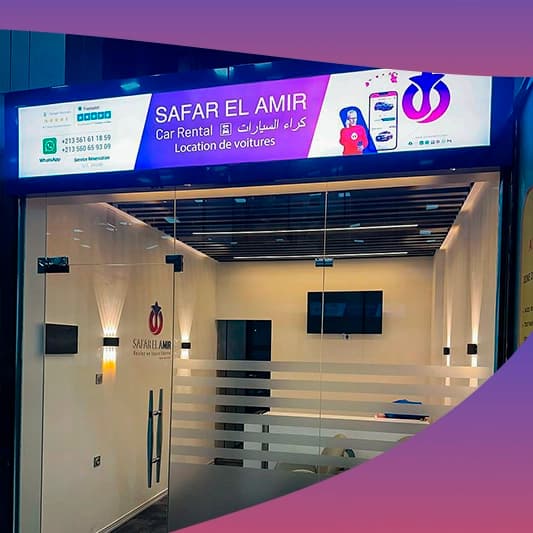
Constantine agency — car rental
Pick-up at Mohamed Boudiaf airport or in town — the base for the bridges, Tiddis and the Aurès.
View the agency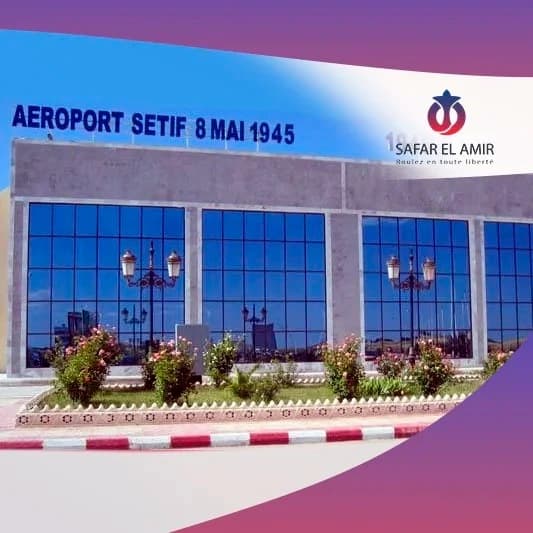
Setif agency — car rental
130 km from Constantine on the East–West highway, gateway to Djemila and the Babor.
View the agency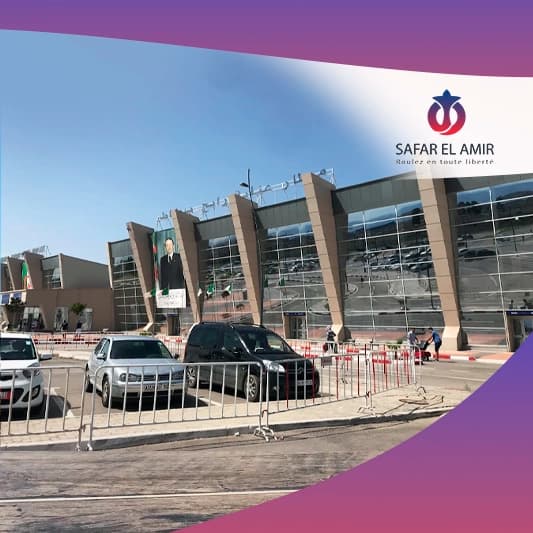
Annaba agency — car rental
The eastern coast and the Saint Augustine basilica, a two-hour drive to the north.
View the agency
Algiers agency — car rental
The main agency, at Houari Boumediene airport and Les Bananiers.
View the agency
Plan your trip to Constantine with Safar El Amir
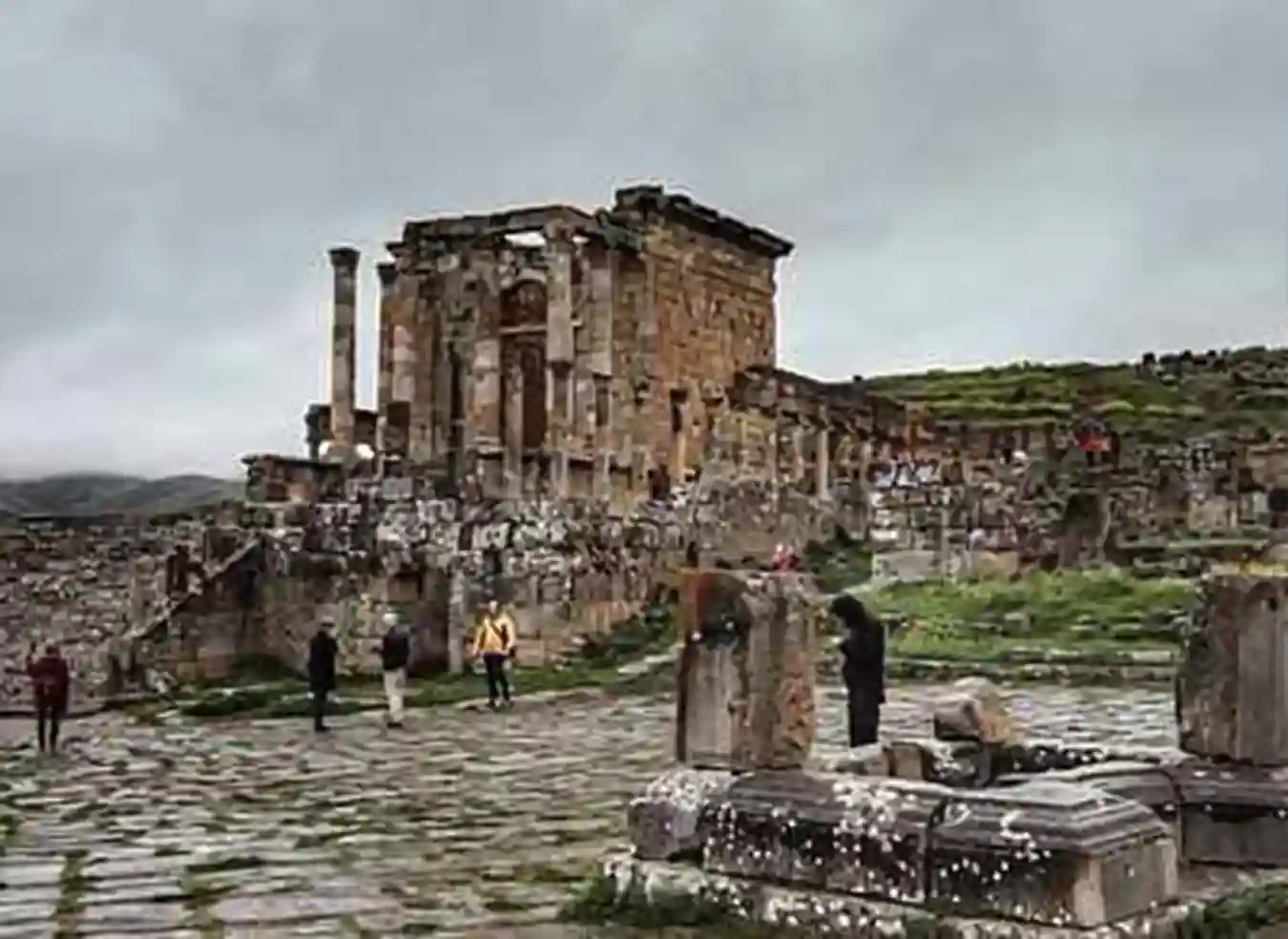
Constantine, Historical Sites
Nicknamed the "City of Suspended Bridges", Constantine is a true open-air history book. From the emblematic Palace of the Bey to the majestic Emir Abdelkader Mosque, passing through the Roman ruins of Tiddis and the Casbah, each monument testifies to its rich past. A city of culture and knowledge, Constantine fascinates with its millennial heritage and unique architecture.
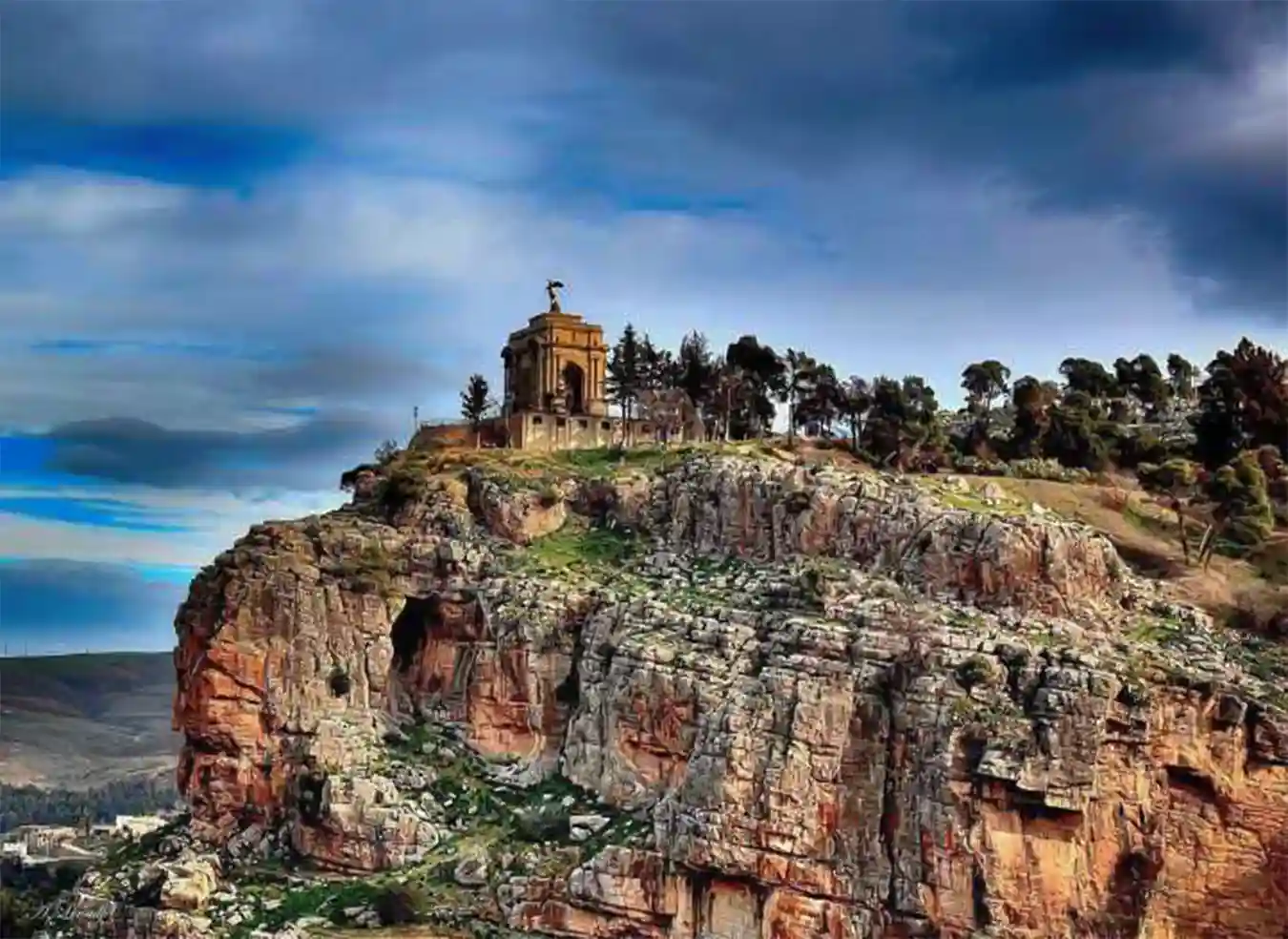
Constantine, Nature And Landscapes
Perched on high rocks, Constantine offers exceptional landscapes. The Rhumel Valley that cuts through the city and the narrow gorges create a dramatic natural landscape. The surrounding forests and naturally sculpted mountains add to the charm of this city suspended between sky and earth, making it an ideal destination for photography enthusiasts and nature lovers.
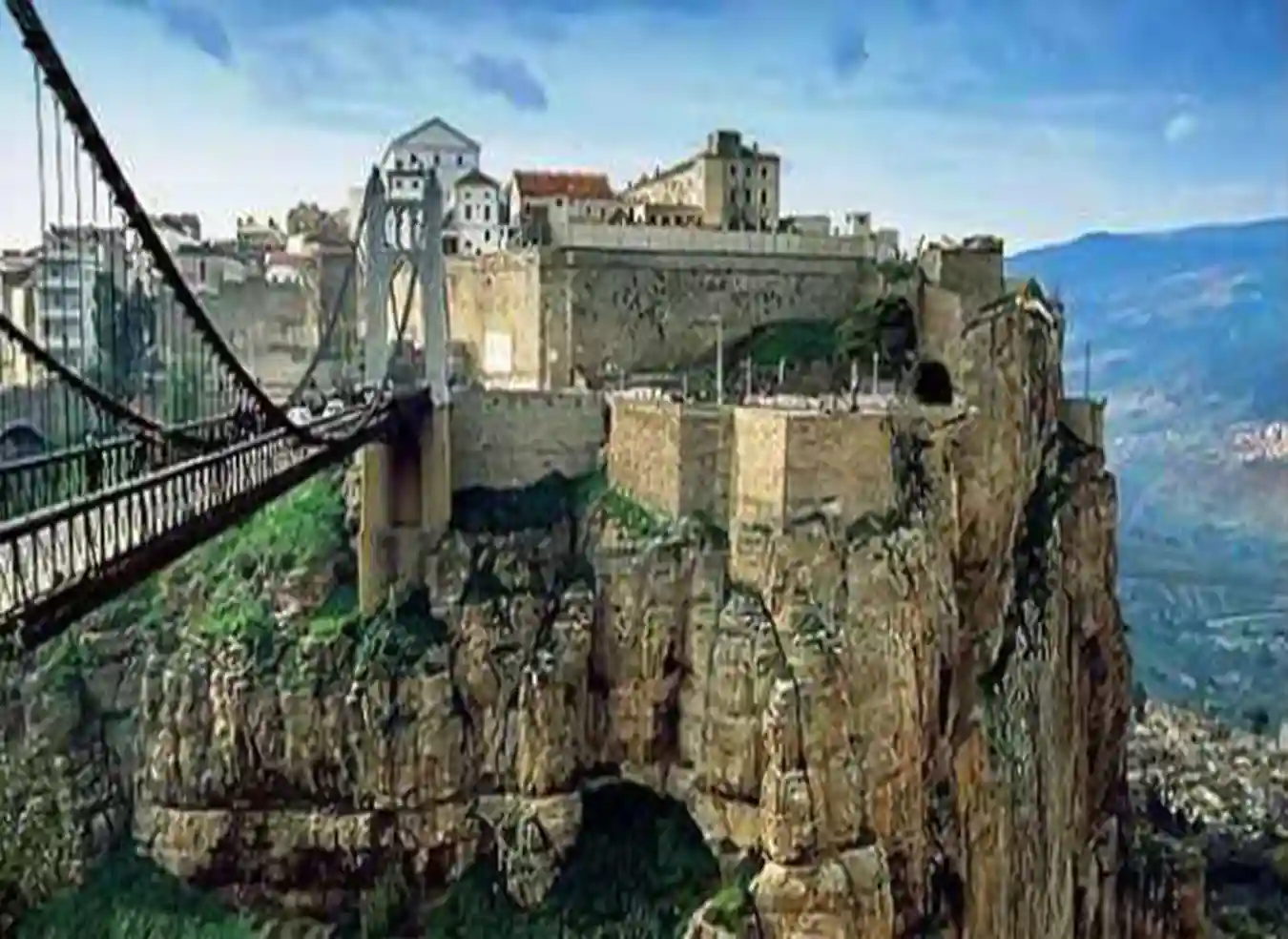
Constantine, Parks & Gardens
Between nature and leisure, Constantine offers spaces for relaxation and enjoyment. Ahmed Bey Gardens and Djebel El Wahch Park are favorite areas for families to enjoy sunny days. The green spaces in the city provide a haven to escape from the hustle and bustle of urban life, while walking areas, entertainment zones, and sports fields offer diverse activities for visitors of all ages.
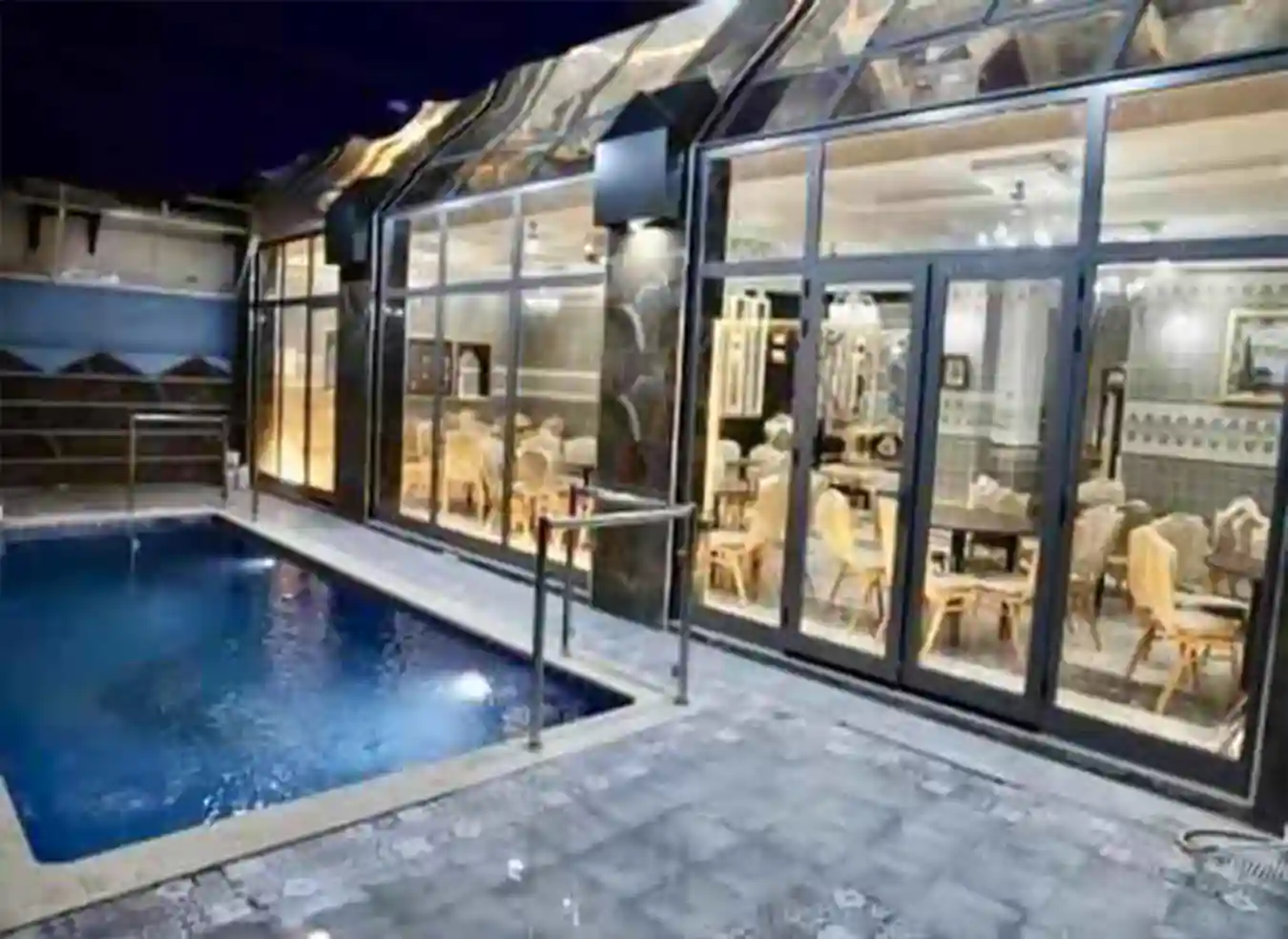
Constantine, Hotels & Restaurants
Constantine combines traditional hospitality with modern facilities. The city offers various accommodation options, from luxury hotels to guesthouses with local character. Local restaurants are famous for their delicious dishes such as Constantine's Chakhchoukha, Mahajeb, and Rechta. Whether you're looking for popular food or fine dining, Constantine offers an authentic culinary experience that reflects the richness of its food culture.
Que vous soyez en quête de paysages à couper le souffle, de sites historiques fascinants, ou de l'authenticité de notre culture, ce guide est votre compagnon idéal pour un voyage mémorable. Louer une voiture chez nous, c'est bien plus qu'une simple location – c'est le début d'une aventure inoubliable à travers l'Algérie. Alors, attachez vos ceintures et laissez-vous guider par SAFAR EL AMIR !
SAFAR EL AMIR est une entreprise spécialisée dans la location de voitures, basée en Algérie. Nous proposons des services de location de voitures avec ou sans chauffeur, des réservations en ligne à travers tout le pays, des transferts entre aéroports et hôtels, ainsi que des solutions pour vos voyages d'affaires. Nous offrons également une assistance professionnelle pour le transport vers et depuis 11 aéroports.



Stay in contact!
Let's get in touch!
Do you have a question or need help?
Contact us by email, phone or via the form below.
We are eager to help you.
Subscribe and Win!
Sign up to receive a quarterly exclusive email about the best road trip trends: a detailed itinerary, a beautiful place in Algeria, and tips for an unforgettable adventure!
Reservation service
Head Office
Follow us