History of Notre-Dame d'Afrique
It all begins in 1858. Archbishop Pavy, Bishop of Algiers, entrusts architect Jean-Eugène Fromageau with the construction of a great sanctuary dedicated to the Virgin Mary. The work takes 14 years. The basilica is consecrated on 2 July 1872 by Cardinal Lavigerie.
What makes it unique in the world? The inscription engraved above the altar, in French, Arabic and Berber:
"Notre-Dame d'Afrique, pray for us and for the Muslims"
A message of coexistence that says it all. Since its construction, the basilica has attracted both Christian pilgrims and Muslim worshippers, who affectionately call it 'Lalla Myriem' or 'Madame l'Afrique'.
Listed as a historic monument, it is considered the twin sister of Notre-Dame-de-la-Garde in Marseille. In April 2026, Pope Leo XIV became the first sovereign pontiff to visit it, during his African tour — a historic event for Algeria.
Architecture and Interior
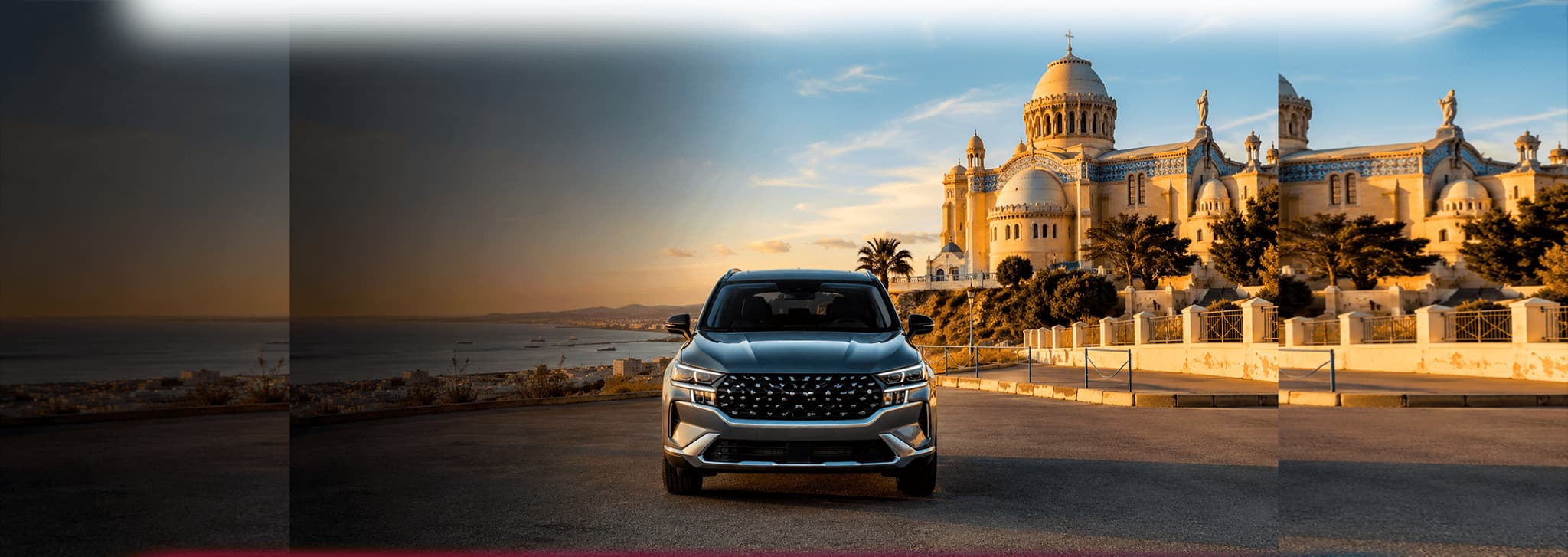
The Romano-Byzantine style is immediately apparent. The central dome, set on a cylindrical drum, dominates the Bolivhine neighbourhood. On the exterior, a blue faience frieze along the upper section reveals an influence of vernacular Algerian architecture — a detail many visitors miss.
Inside, you will discover:
- Mosaics and stained-glass windows in vibrant colours that cast a soft light over the nave
- Marine ex-votos: hundreds of thanksgiving plaques left by Algiers mariners since the 19th century
- Chapel of Saint Augustine, notably featuring six ex-votos of Charles de Foucauld
- Chapel of Saint Monica, dedicated to the 19 Martyrs of Algeria recognised in 2018
- Bronze statue of the Virgin Mary at the heart of the choir, adorned with embroideries in the style of Tlemcen
- Crypt with the tombs of bishops
How to Get to Notre-Dame d'Afrique
The Cable Car (Recommended)
This is the most memorable option. The Notre-Dame d'Afrique cable car connects the lower part of the Bologhine neighbourhood to the basilica in under 2 minutes. The cabins accommodate up to 35 people. The view over the bay during the ascent is already a spectacle in itself.
- Departure station: Bologhine (seafront)
- Hours: every day from 6am to 7pm (except Fridays and public holidays)
- Price: very affordable (a few dozen dinars — check current rate on site)
- Operator: ETAC (Algerian Cable Transport Company)
By Car
The most flexible option. Ideal if you are visiting several sites in a single day.
- GPS address: 3 avenue Ali Ourak, Bologhine, Algiers 16070
- Parking: available on site, free
- Advantage: you can combine Notre-Dame d'Afrique + the Casbah of Algiers + the Corniche in a single day, without transport schedule constraints
Arriving from Houari Boumediene Airport? Book a car with Safar El Amir — direct delivery to the terminal.
Book from the AirportBy Taxi / Ride-Hailing
Simple and fast from the city centre.
- From central Algiers: 15–20 min, approximately 500–800 DA depending on traffic
- From Houari Boumediene Airport: 45–60 min depending on traffic
- Ask the driver to drop you directly at the basilica entrance (avenue Ali Ourak)
What to See Around Notre-Dame d'Afrique
Notre-Dame d'Afrique pairs perfectly with other Algiers sites. Here are the best combinations:
- Bolivhine neighbourhood: preserved colonial architecture, to explore on foot after your visit
- Algiers Corniche: 15 min on foot from the basilica, a seaside promenade with views over the Mediterranean
- The Casbah of Algiers: 20 min by car — two complementary facets of Algiers heritage to combine in the same day
- National Bardo Museum: 25 min by car, a must-see ethnography and prehistory museum
- Maqam Echahid (Martyrs Sanctuary): visible from the basilica, 20 min by car
Practical Tips
- Best time: late afternoon, around 5pm, for the golden light over the bay. Avoid noon — the light is too harsh for photos.
- Arrival: plan your visit between 3pm and 5:30pm to enjoy the best light and avoid the midday heat
- Photos: permitted outside and on the esplanade. Inside, ask the staff for permission
- Accessibility: difficult access by wheelchair (steps) — the cable car remains the most accessible option for the ascent
- Groups: contact the basilica in advance at +213 23 15 40 19 to arrange a guided tour
- Ideal duration: combine with 2 or 3 other sites for a full day in Algiers. Notre-Dame d'Afrique + Casbah + Corniche — that's the perfect day.
Frequently Asked Questions
Is Notre-Dame d'Afrique open to non-Catholics?
Yes, absolutely. The basilica is open to everyone, regardless of your religion or belief. The inscription above the altar — 'pray for us and for the Muslims' — perfectly illustrates this spirit of openness. Visitors of all faiths come here every day.
Can you visit Notre-Dame d'Afrique without taking the cable car?
Yes. You can access it by car (free parking on site) or by taxi from central Algiers. The cable car is one option among others — practical and spectacular, but not mandatory.
How long does it take to visit Notre-Dame d'Afrique?
Allow at least 45 minutes for a quick visit of the interior and the esplanade. Plan 1h30 if you want to take the time to explore the chapels, the ex-votos and enjoy the panoramic view.
Is there parking at Notre-Dame d'Afrique?
Yes. Parking is available directly on site, at 3 avenue Ali Ourak, Bologhine. Access is free.
Is Notre-Dame d'Afrique accessible by public transport?
Yes. The cable car from Bologhine is the most direct option (6am–7pm, except Fridays and public holidays). You can also take a taxi or a bus from central Algiers towards Bologhine. From the airport, a taxi remains the most practical solution (45–60 min).