
Algiers
Blog Post - Algiers, the white pearl
Discover the must-see attractions not to miss during your visit to this magnificent city.
Feel free to share this blog with your loved ones so they can also benefit from these valuable tips!
Visiting Algiers: complete guide to the white, luminous capital of Algeria
Algiers, between sea and mountains, between yesterday and today
Many arrive in Algiers in transit — a few hours between two flights, a night before setting off south or east. Those who linger quickly realize their miscalculation.
Perched between sea and mountains, Algiers fascinates with its blend of history and modernity. With its World Heritage-listed Casbah, its arcaded boulevards and its sweeping view over the Mediterranean, the Algerian capital seduces with its energy and timeless charm. A city that reads on several levels — the Ottoman alleys up top, the colonial architecture below, the sea facing you, and two millennia of history everywhere at once.
This guide is here so you don't miss out.
What you'll discover in Algiers:
- The Casbah, a UNESCO-listed Ottoman labyrinth, the historic heart of Algiers
- Notre-Dame d'Afrique, the Jardin d'Essai and the Mediterranean seafront
- The Place des Martyrs and its station-museum — 2,000 years of remains beneath your feet
- Tipasa 70 km away and the Tomb of the Christian Woman, mausoleum of Cleopatra's daughter
The must-sees in Algiers
Algiers is visited at several speeds — on foot in the heights of the Casbah, slowly, looking up at the white façades and the carved doors. Then lower down, in the colonial districts, with that strange feeling of crossing a century in a few steps.
The Casbah, the soul of Algiers, a UNESCO World Heritage Site
Start with the Casbah. Founded in the 10th century and brought to its peak under the Ottoman empire in the 17th and 18th centuries, this historic quarter rises to 118 meters above the sea — a citadel built in 1516 by the corsair Barbarossa, around which the city grew. UNESCO listed it as a World Heritage Site for its unique urban model: a maze of narrow alleys, palaces with shaded patios, madrasas, mausoleums and mosques whose minarets pierce the white sky. You can spend a whole day there without exhausting its corners. A local guide remains the best way to uncover its best-kept secrets.
Notre-Dame d'Afrique and the Grande Poste, two architectural jewels
Outside the Casbah, two buildings stand out. Notre-Dame d'Afrique dominates the bay from the heights of Algiers — a basilica that the architect Jean-Eugène Fromageau built following the same codes as Notre-Dame-de-la-Garde in Marseille, earning it the nickname of the Provençal church's “twin sister”. The view over the Mediterranean from its surroundings is worth the detour on its own. Downtown, the Grande Poste imposes itself with its neo-Moorish architecture dating from 1910 — a building so monumental it's impossible to miss, and so photographed it has become one of the visual symbols of Algiers.
The Jardin d'Essai d'El Hamma and the seafront
End this first day at the Jardin d'Essai d'El Hamma. Spread over 32 hectares, it houses more than 3,000 plant species and its avenues of century-old dragon trees have something unreal about them — a filtered light, an unexpected silence in the heart of the capital. In the evening, the seafront takes over with its terraces, its strollers and that view over the bay of Algiers that the locals never seem to tire of contemplating.
The Place des Martyrs and the metro station-museum
There are places where history surges up where you don't expect it. The Place des Martyrs, at the entrance to the Casbah, is one of them — a square that has crossed every era of Algiers without ever losing its role as a crossroads between civilizations. During the metro works, the excavations uncovered 2,000 years of remains — Roman, Byzantine, Ottoman — now visible in a one-of-a-kind station-museum, where you wait for your train amid the ruins of the ancient city.
Around Algiers: Tipasa and the west coast
Algiers is also a gateway to one of the most history-rich coastlines in the entire Mediterranean. 70 kilometers to the west, the coast holds two discoveries that alone are worth the trip.
Tipasa, the Roman ruins that Albert Camus immortalized
Founded by the Phoenicians and raised to the rank of Roman colony in the 1st century, Tipasa stretches over 70 hectares by the sea — an archaeological site listed as a UNESCO World Heritage Site since 1982, where a theater, baths, forum, basilicas and necropolises unfold in a Mediterranean setting of striking beauty. The ruins literally plunge towards the turquoise sea, as if the ancient city had wanted to keep its eyes open on the horizon until the end.
The Tomb of the Christian Woman, the mausoleum of Cleopatra's daughter
About ten kilometers from Tipasa, a circular monument stands alone on the heights of the coast — the Royal Mausoleum of Mauretania, nicknamed the Tomb of the Christian Woman. What makes it unique: it was built by Juba II, king of Mauretania, for himself and his wife Cleopatra Selene II — daughter of Cleopatra VII of Egypt and Mark Antony. The daughter of the queen of Egypt is buried 70 kilometers from Algiers, in a mausoleum overlooking the Mediterranean. One of those facts you struggle to believe until you arrive on site.
When is the best time to visit Algiers?
A coastal city with a distinct Mediterranean climate, Algiers is pleasant practically all year round. But depending on what you're coming for — heritage, coast or excursions in the surroundings — certain seasons naturally stand out.
| Season | Temperatures | Ideal for |
|---|---|---|
| Spring (March–May) | 14 – 24 °C | Casbah, Tipasa, Tomb of the Christian Woman, Jardin d'Essai |
| Summer (June–August) | 26 – 35 °C | Beaches, seafront, west coast, lively atmosphere |
| Autumn (Sept–Nov) | 18 – 28 °C | Historic visits, golden light on the Casbah, Tipasa |
| Winter (Dec–Feb) | 8 – 15 °C | Museums, mosques, Casbah without crowds, local atmosphere |
Spring and autumn remain the seasons of choice for combining historic visits and coastal excursions in the best conditions. Summer is hot but the sea breeze tempers the days — ideal for enjoying the seafront in the evening. In winter, Algiers is visited more calmly, with the Casbah almost to yourself and a white light particularly beautiful on the façades.
The Houari Boumediene international airport, about twenty kilometers from the center, provides daily connections from France and Europe — the natural gateway to begin a trip in Algeria.
Algiers cuisine: what to taste
Algiers eats well. The capital's cuisine bears the imprint of a port city open to the Mediterranean for centuries — generous, fragrant, blending Berber, Ottoman and Mediterranean influences with an ease found in every dish.
Chorba is the first thing to taste — a thick soup with vegetables, meat and fresh coriander, that warms as much as it nourishes. In the traditional restaurants of the Casbah and downtown, it arrives steaming at the start of the meal, with homemade bread, like a ritual the people of Algiers have kept for generations.
Rechta completes the picture — fine hand-made pasta, simmered in a chicken broth scented with ras el hanout, with chickpeas and tender turnips. A celebration dish found in Algiers families on great occasions, and that some downtown restaurants offer with the same attention as the mothers who make it.
How to get around Algiers and its surroundings
Algiers is the best-equipped city for public transport in Algeria. Metro, tramway, bus — the network covers the center and main districts well, which simplifies travel between the Casbah, the seafront, the Jardin d'Essai and the Place des Martyrs. The metro station of the same name serves the entrance to the Casbah directly — a practical detail that turns what might seem complex into an accessible walk.
For the surroundings, however, a car is essential. Tipasa 70 kilometers away, the Tomb of the Christian Woman about ten kilometers from there, Cherchell further west — these sites are comfortably reached by car, at your own pace, with the freedom to linger where history deserves it. A day is enough to combine Tipasa and the Tomb of the Christian Woman in the same itinerary — provided you leave in the morning and don't rush the visit to the archaeological site.
Algiers is also the natural hub of the Algerian network — from the capital, all the country's major cities are accessible via the East–West highway, by plane from Houari Boumediene airport, or by train. This is where most trips in Algeria begin — and often, this is where you realize you should have planned more time.
Discover our car rental agencies
12 car rental agencies spread across the main airports and cities of Algeria to serve you.
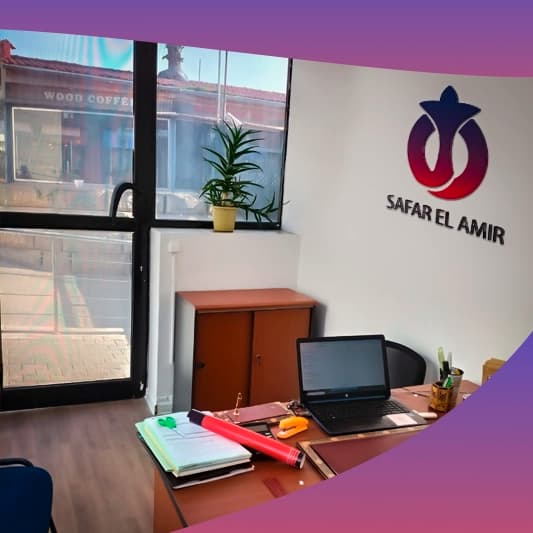
Algiers agency — car rental
Pick-up at Houari Boumediene airport or at Les Bananiers — the main agency in the heart of the capital.
View the agency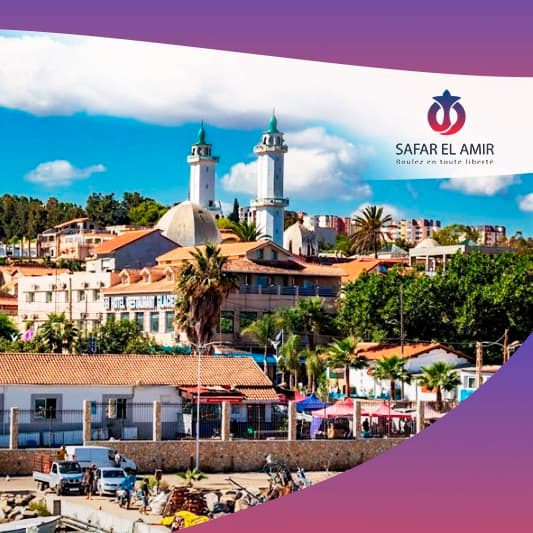
Tipaza agency — car rental
On the west-coast road, between Roman ruins and turquoise beaches, 70 km from Algiers.
View the agency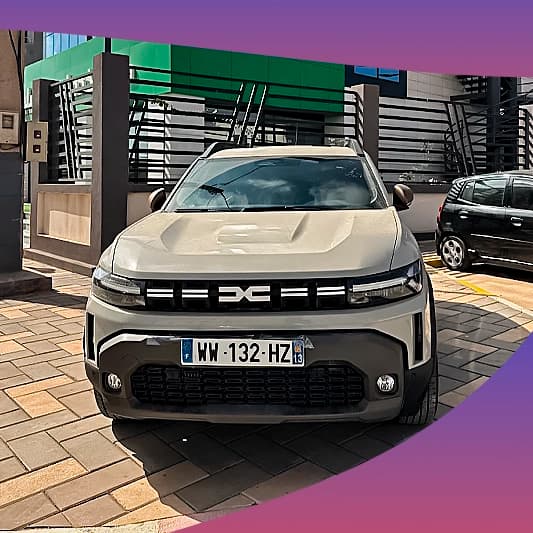
Oran agency — car rental
The country's second city and gateway to western Algeria, via the East–West highway.
View the agency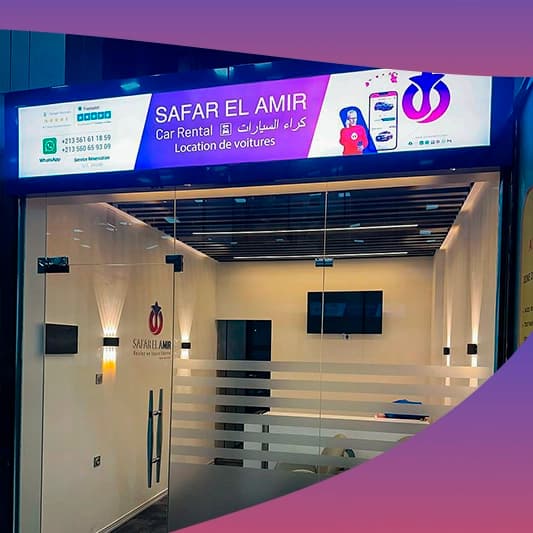
Constantine agency — car rental
The city of suspended bridges, the great hub of eastern Algeria.
View the agency
Plan your trip to Algiers with Safar El Amir
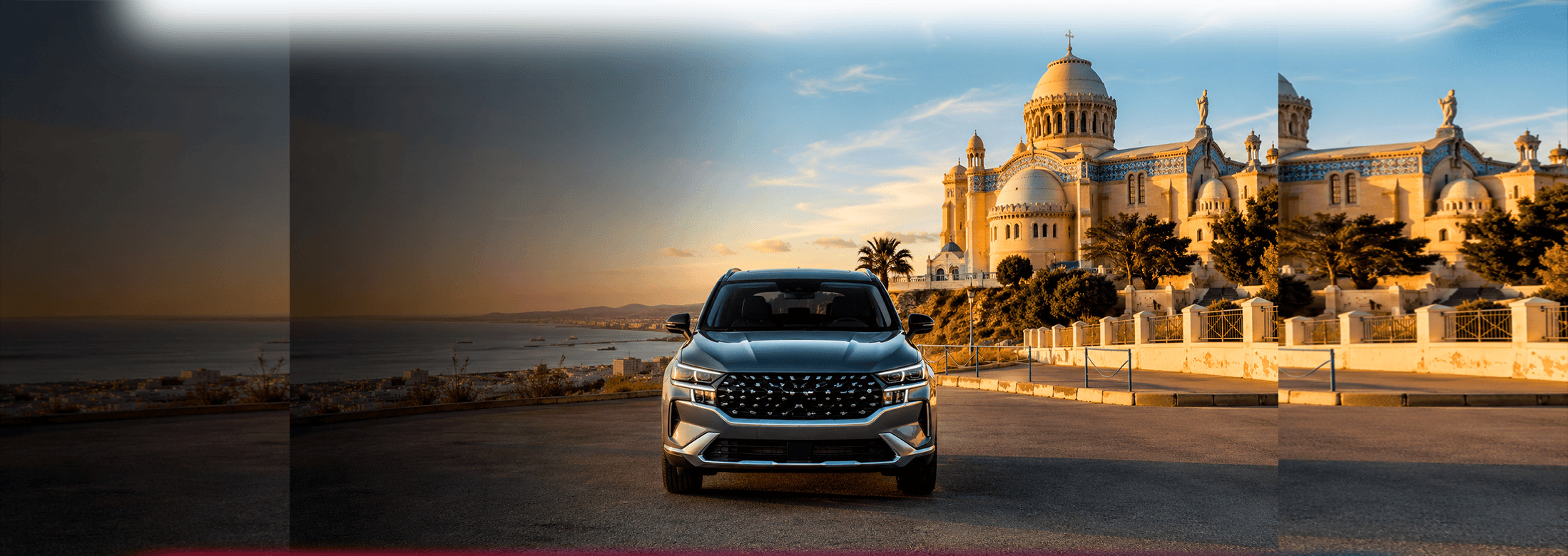
Notre-Dame d'Afrique in Algiers: 2026 Guide
Visit Notre-Dame d'Afrique in Algiers in 2026: opening hours, access, address, free entry, basilica history and exceptional panorama over Algiers Bay.
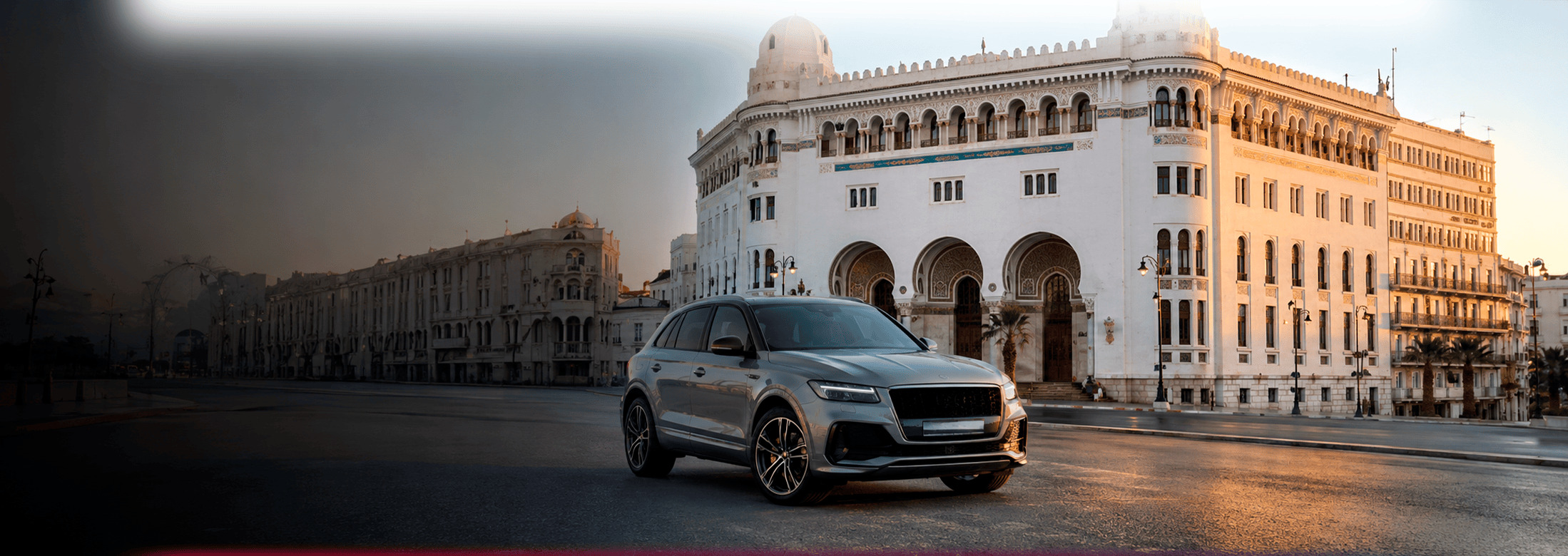
The Grande Poste of Algiers: the neo-Moorish icon of the city centre
The Grande Poste of Algiers: history, architects, neo-Moorish style and tips for visiting the exterior. Closed since 2019, it remains unmissable.
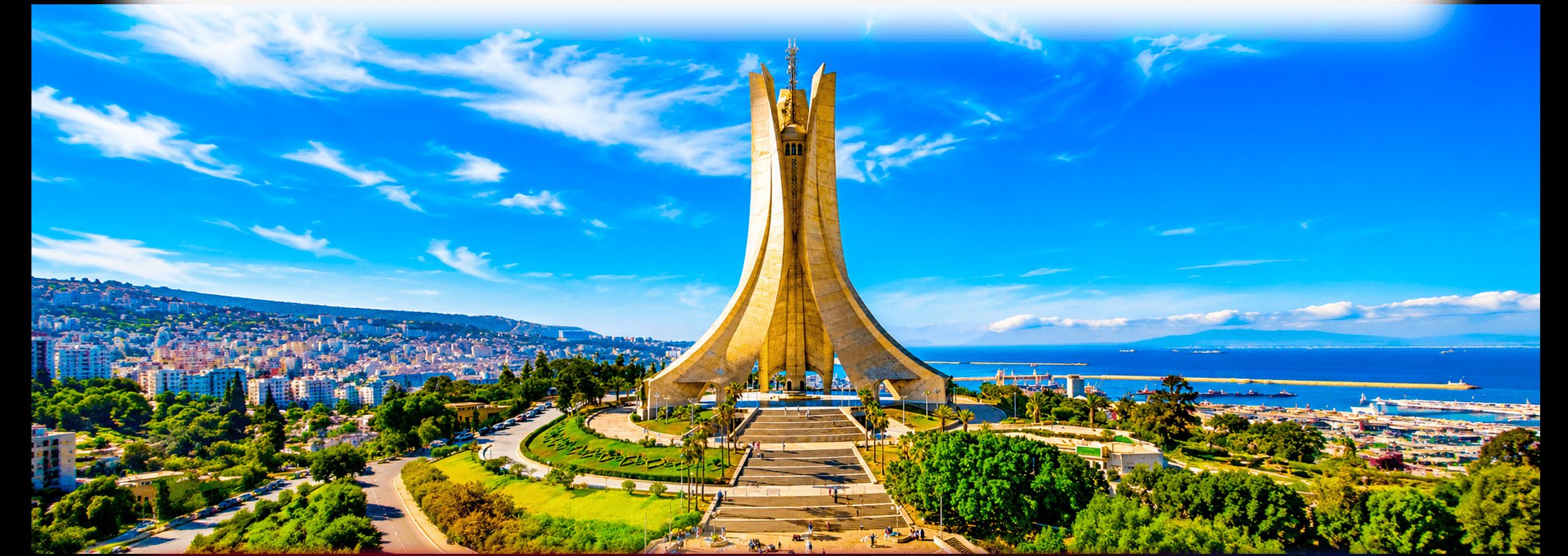
12 Must-See Places to Visit in Algiers
Discover the 12 must-see places in Algiers: UNESCO Casbah, Jardin d'Essai, Maqam Echahid, Notre-Dame d'Afrique, Bardo Museum and more.
What to Do in Algiers with Family? The Best Activities for All Ages
What to do in Algiers with family? 8 tested activities with age, price and stroller accessibility: Jardin d'Essai, Casbah, Zéralda beach + 1-day itinerary (2026).
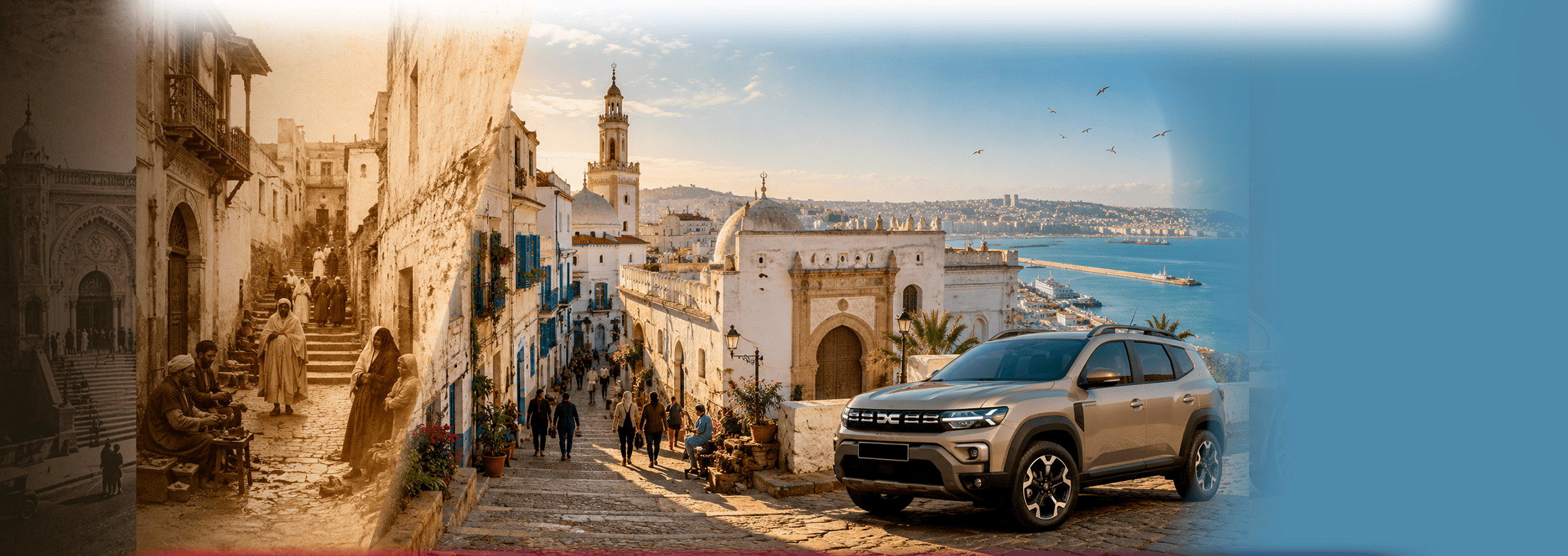
Visiting the Casbah of Algiers: Everything You Need to Know Before You Go
Visit the Casbah of Algiers like a local: 8 must-see sites, 2 itineraries (3h or full day), entrance fees and practical tips for 2026.
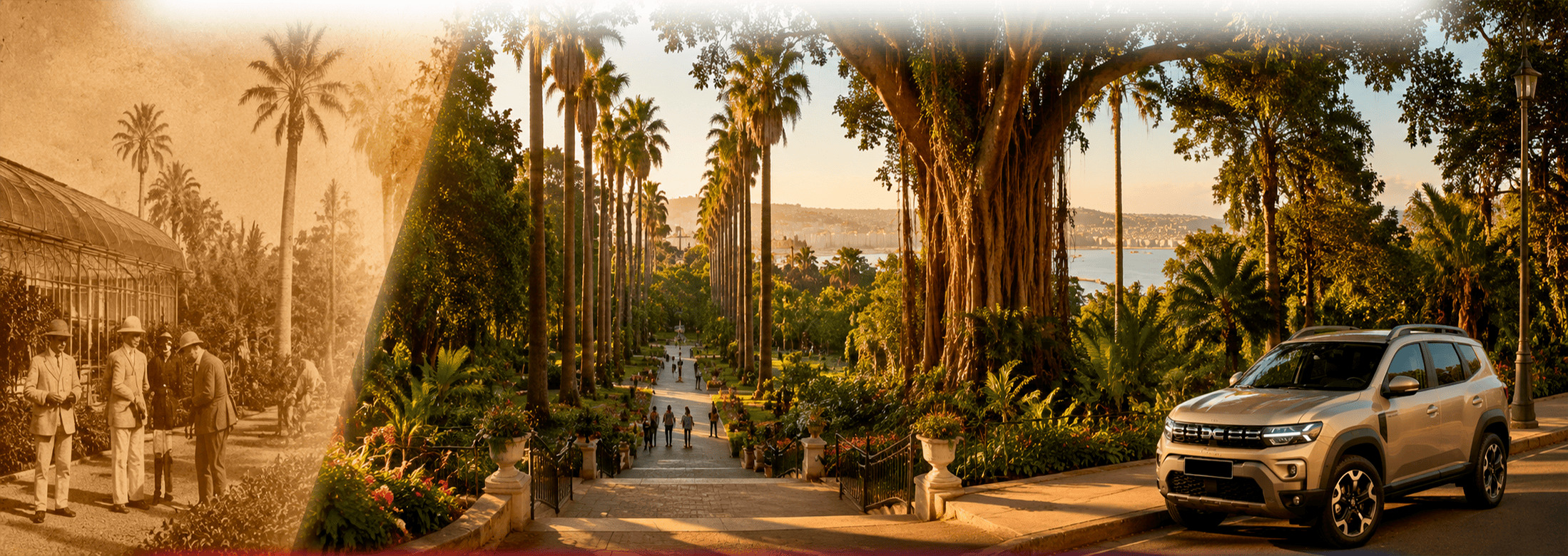
Jardin d'Essai du Hamma in Algiers: Hours, Prices & Visit Tips (2026)
Jardin d'Essai du Hamma in Algiers: opening hours, entry prices, zoo, Tarzan tree and how to get there. Practical 2026 guide to plan your visit.
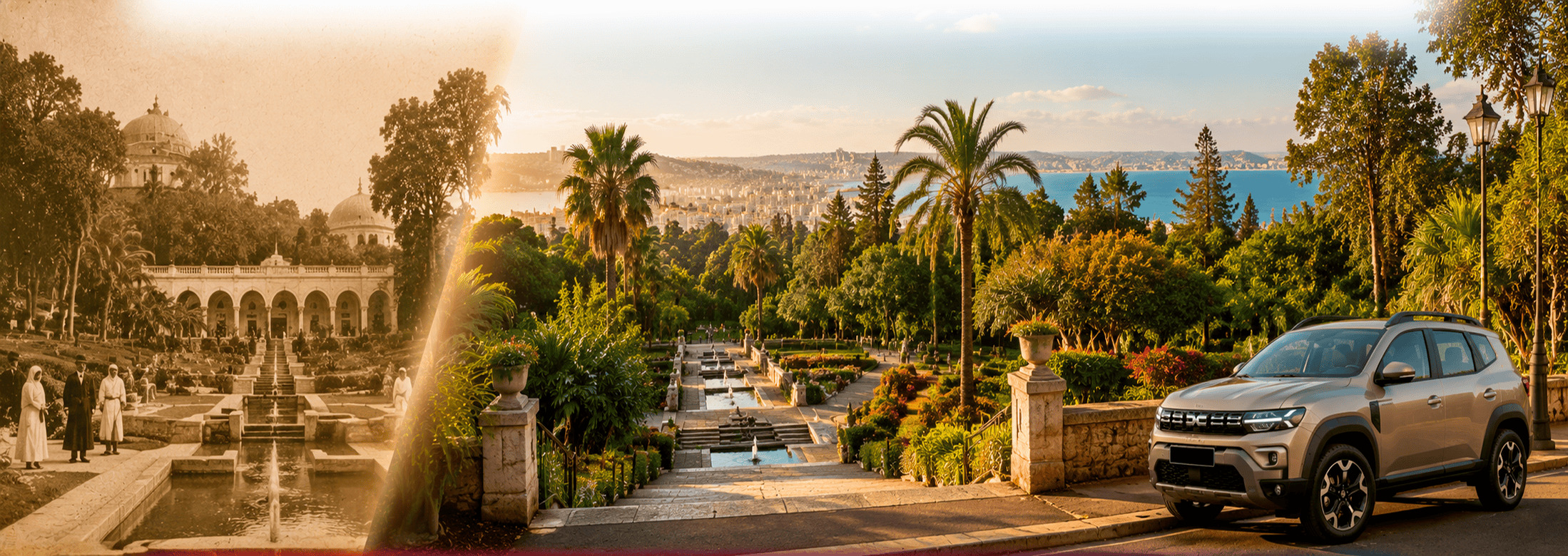
Jardin Sofia in Algiers (Square Sofia): City Centre's Green Oasis
Jardin Sofia (Square Sofia) in Algiers: history of the Ottoman fort Bab Azzoun, Guynemer statue, 1969 Pan-African Festival sculpture. Free entry, metro access. 2026 guide.
Martyrs' Memorial in Algiers (Makam Echahid): Everything You Need to Know Before Your Visit
Martyrs' Memorial Algiers (Makam Echahid): history, architecture, underground museum, panoramic view and practical access. Everything to prepare your visit.
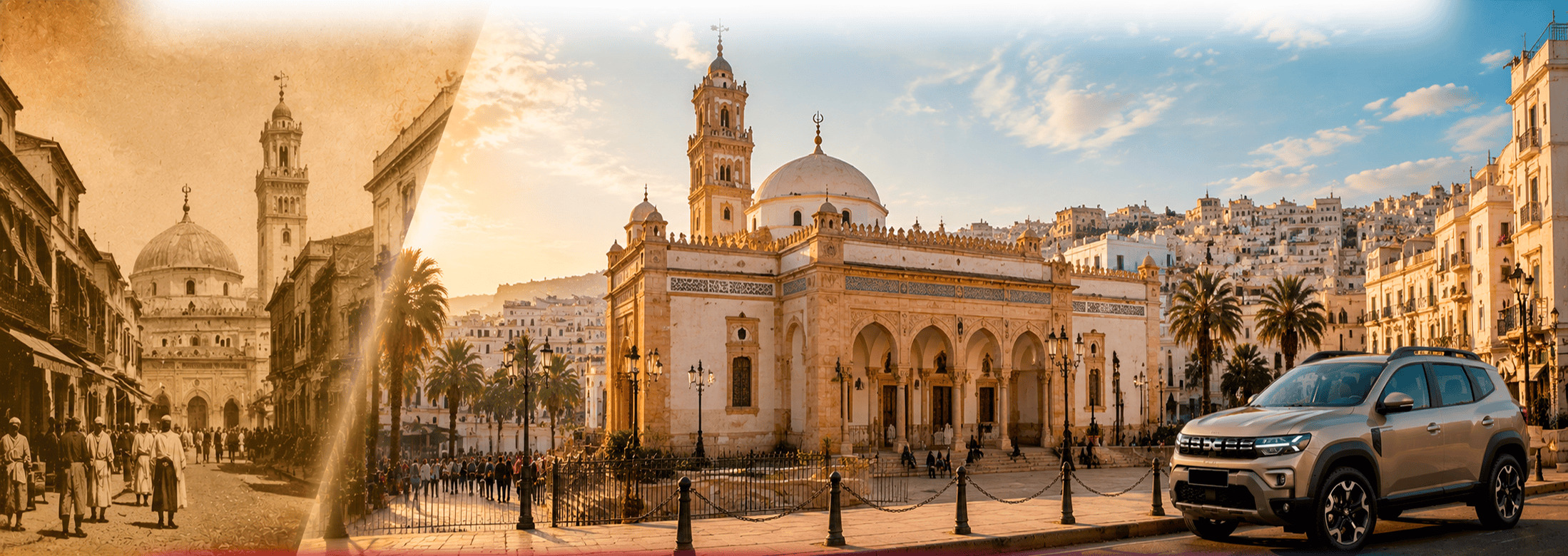
Ketchaoua Mosque in Algiers: History, Architecture & Visit Guide (2026)
Discover the Ketchaoua Mosque in Algiers: Ottoman history, former cathedral, architecture, UNESCO listing and tips for visiting this monument of the Casbah.
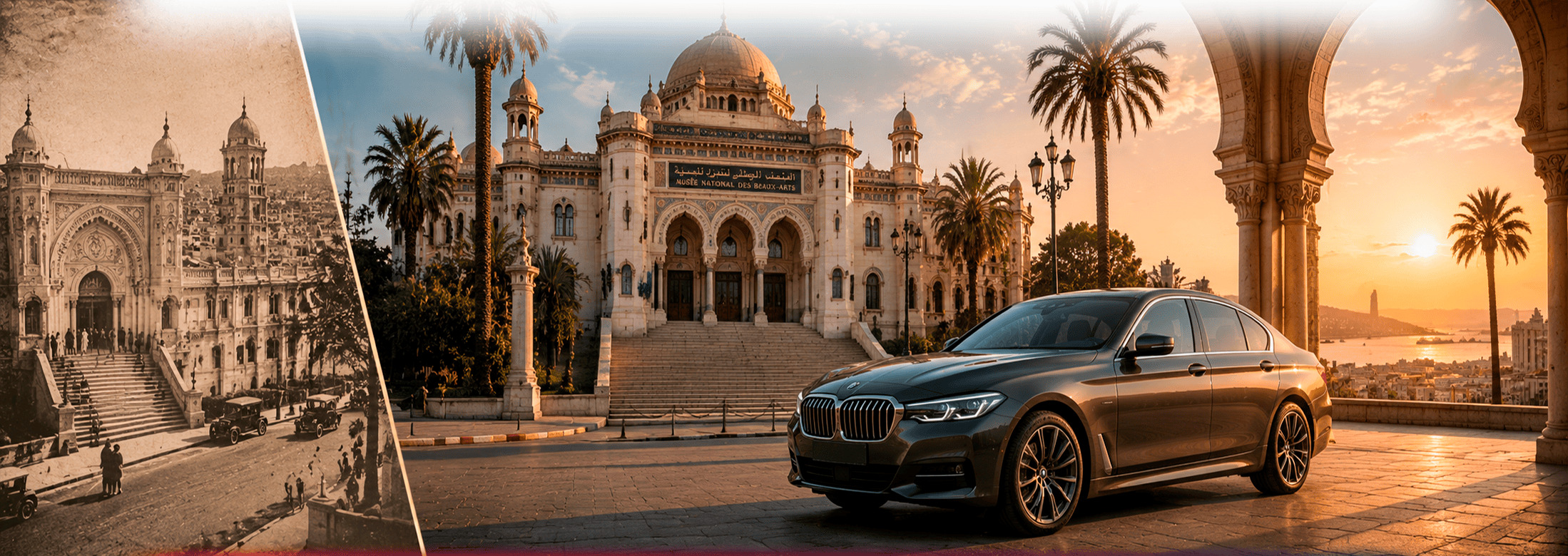
Musée National du Bardo in Algiers: History, Collections & Visit Guide (2026)
Musée National du Bardo in Algiers: prehistoric and ethnographic collections, Queen Tin Hinan, and the Villa du Bardo. Opening hours, access and 2026 visit tips.
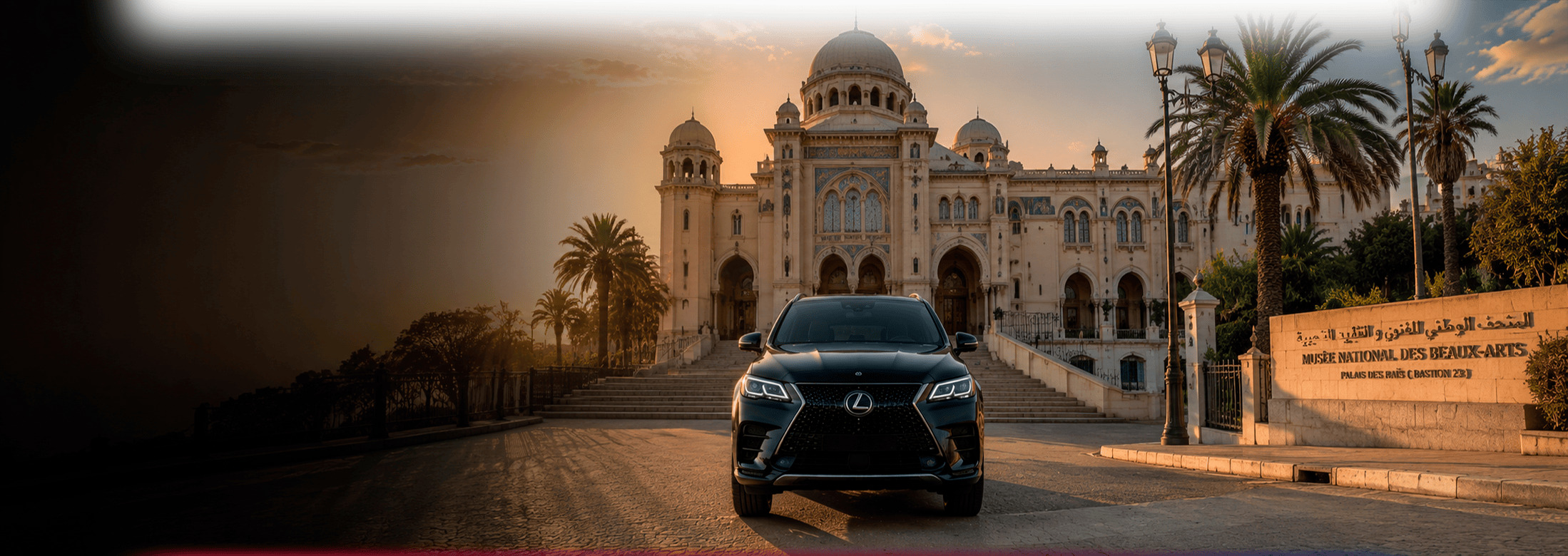
National Museum of Antiquities in Algiers: Collections, Hours & Visit Guide (2026)
Discover the National Museum of Antiquities in Algiers in 2026: ancient collections, Roman bronzes, Islamic art, opening hours, address and visit tips.
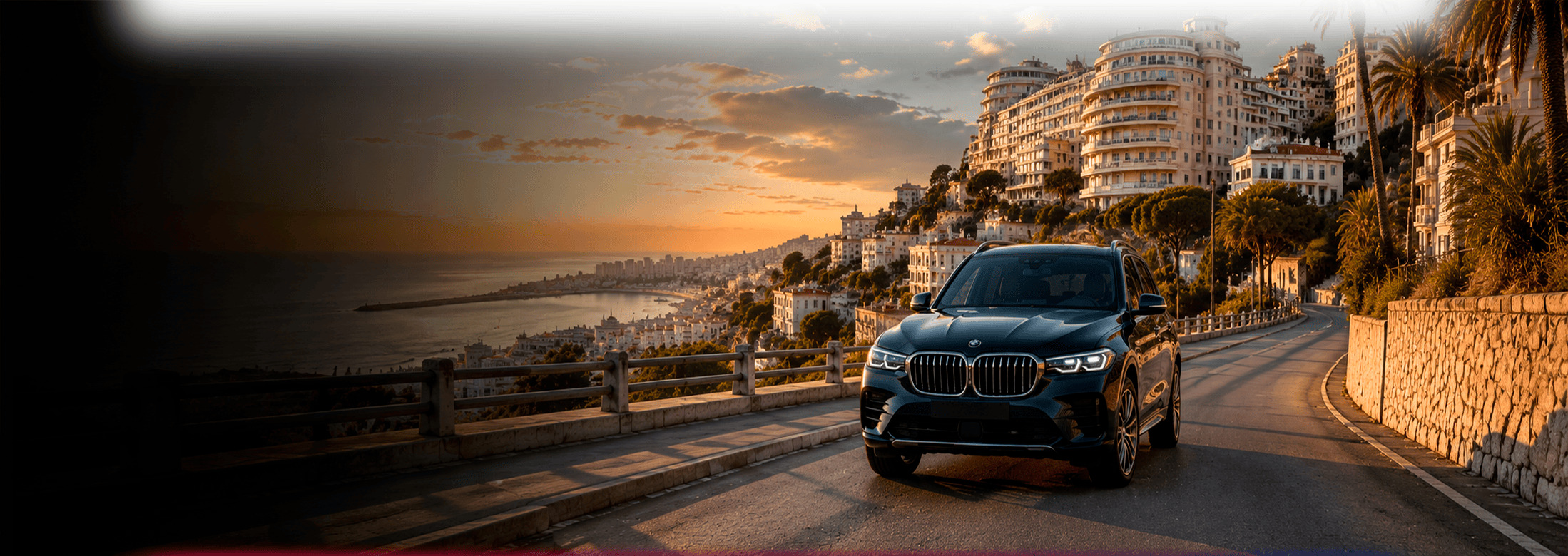
Télemly District & Balcon Ezzahira in Algiers: Complete Guide (2026)
Discover the Télemly district in Algiers: the Burdeau bridge-building, the Aérohabitat and the Balcon Ezzahira with its 180° panoramic view over the bay. Modernist architecture and 2026 practical guide.
What to Do in Algiers? Best Activities & Visit Guide (2026)
What to do in Algiers? UNESCO Casbah, Jardin d'Essai, Notre-Dame d'Afrique, seafront evenings: 7 must-sees + tested 1-day itinerary (2026).
What to Do in Algiers in the Evening: Restaurants, Corniche & Local Nights Out
What to do in Algiers in the evening? Corniche, Casbah by night, Sidi Fredj, Martyrs' Memorial: 7 tested outings + safety and budget tips (2026).
Road Trip Around Algiers: The 3 Best Driving Itineraries (2026)
Discover the 3 best driving circuits around Algiers: West Coast and Tipaza, Kabylie, and a 3-day Grand Tour. Itineraries, distances, budget and practical tips.
Driving in Algiers: Everything You Need to Know Before Taking the Wheel
License requirements, speed limits, traffic, parking and roads around Algiers: the complete guide to driving confidently in Algiers in 2026.
Road Trip Checklist for Algeria: Everything to Plan Before You Leave (2026)
The complete checklist to plan a driving road trip in Algeria: documents, safety, navigation, water, clothing and choosing the right vehicle. Practical guide 2026.
The Best Beaches Around Algiers: Complete Guide with Distances and Tips (2026)
Complete guide to the best beaches around Algiers: Zeralda, Sidi Fredj, Tipaza, Chenoua, Boumerdès. Distances, travel times, parking and practical tips 2026.
Algiers to Constantine in 2026: Which Transport Should You Choose?
Algiers-Constantine comparison 2026: Air Algérie flights from €22, SNTF train, bus, taxi. Durations, prices, ALG/CZL airports. Book your ticket at the best price.
Que vous soyez en quête de paysages à couper le souffle, de sites historiques fascinants, ou de l'authenticité de notre culture, ce guide est votre compagnon idéal pour un voyage mémorable. Louer une voiture chez nous, c'est bien plus qu'une simple location – c'est le début d'une aventure inoubliable à travers l'Algérie. Alors, attachez vos ceintures et laissez-vous guider par SAFAR EL AMIR !
SAFAR EL AMIR est une entreprise spécialisée dans la location de voitures, basée en Algérie. Nous proposons des services de location de voitures avec ou sans chauffeur, des réservations en ligne à travers tout le pays, des transferts entre aéroports et hôtels, ainsi que des solutions pour vos voyages d'affaires. Nous offrons également une assistance professionnelle pour le transport vers et depuis 11 aéroports.




Stay in contact!
Let's get in touch!
Do you have a question or need help?
Contact us by email, phone or via the form below.
We are eager to help you.
Subscribe and Win!
Sign up to receive a quarterly exclusive email about the best road trip trends: a detailed itinerary, a beautiful place in Algeria, and tips for an unforgettable adventure!
Reservation service
Head Office
Follow us