El Kala National Park at a glance
Created on 23 July 1983 and recognized as a UNESCO biosphere reserve on 17 December 1990, El Kala National Park covers 76,438 hectares in El Tarf province. It stretches from the coast, with its 50 km of shoreline, to the inland hills, whose highest point, Djebel El Ghorra, reaches 1,202 meters.
It is one of the largest national parks in Algeria and one of the richest in the north of the country: an inventory carried out from 1996 to 2010 recorded nearly 1,600 plant species and more than 700 animal species.
The lakes, jewels of the park
The heart of the park is a wetland complex unique in North Africa. Lake Tonga, a freshwater lake of about 2,600 hectares, is considered the most important bird nesting area in North Africa. Together with Lake Oubeira, it was designated a Ramsar wetland of international importance as early as 1983.
Closer to the sea, Lake Mellah is the only lagoon in Algeria connected to the Mediterranean. In the forest, small water bodies such as the Blue Lake and the Black Lake complete this string of aquatic habitats.
Wildlife and plants
- The Barbary stag, Africa's only native deer, is the park's emblem.
- Birds: some sixty species of waterbirds, 25 species of raptors and seabirds, with large gatherings during migration.
- About forty mammal species in total.
- Forests dominated by cork oak, with Zeen oak, Aleppo pine, alder and willows by the water.
El Kala, the coral town
The park takes its name from the small town of El Kala, formerly La Calle, 77 km east of Annaba and less than 20 km from Tunisia. Famous since the Middle Ages for coral fishing, it was nicknamed Mers el Kharaz, "the port of trinkets". Nearby, the Vieille Calle site recalls the Bastion de France, the first French establishment on the Algerian coast in the 16th century. Its harbor and beaches make it a pleasant lunch stop.
What to do in El Kala National Park
- Birdwatch on the shores of Lake Tonga, binoculars in hand, especially in winter and spring.
- Walk in the forest under cork oaks, along the park's tracks and trails.
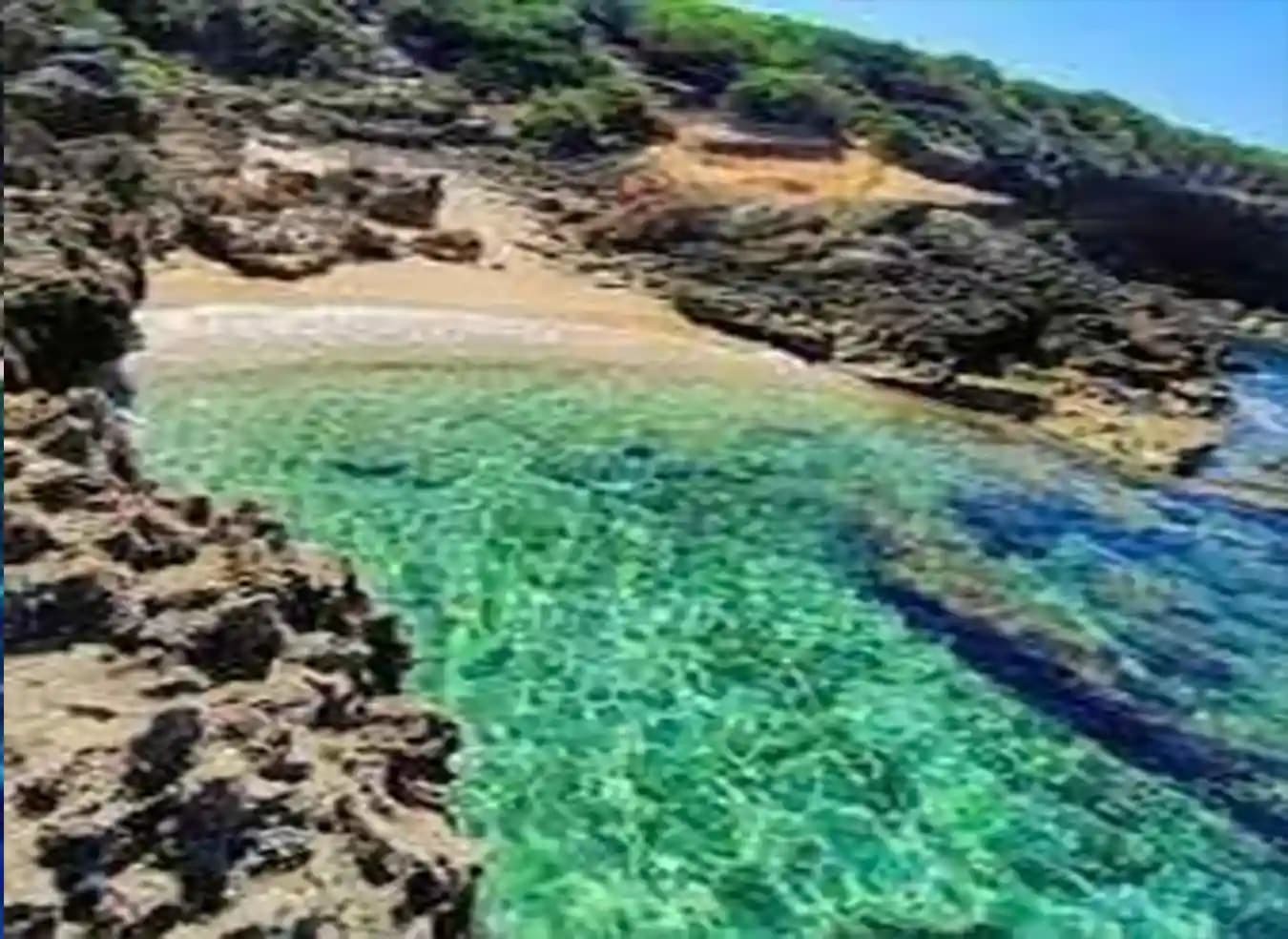
- Swim at the beaches of the El Kala coast, with clear water and rocky coves.
- Stroll around El Kala harbor and discover coral craftsmanship.
- Photograph the Mellah lagoon and its opening to the sea.
When to visit the park
Spring is the ideal season: flowering vegetation, full lakes and nesting birds. Winter draws birdwatchers with its wintering waterbirds. Summer works for combining nature and beaches, avoiding the hottest hours; autumn brings calm and beautiful light.
How to get to El Kala National Park from Annaba
Allow about 85 km and 1 h 15 heading east on the RN44, via El Tarf. From Rabah Bitat Airport, southeast of Annaba, the distance drops to 77 km, about an hour. As the park's sites are far apart and poorly served, a car is essential: with a rental car from Annaba Airport, it makes an easy day trip.
Tips for your visit
- Stay on tracks and trails and respect the peace of nesting areas.
- Bring binoculars, water and insect repellent, useful near the wetlands.
- Set off early: morning light is best for birdwatching.
- Leave no rubbish and do not pick plants.
Combining El Kala with Annaba
On the way back, end the day on the Annaba corniche and its beaches, or at Cap de Garde for sunset. For more nature, the forests of Seraidi overlook the bay at 850 meters. Find all our ideas in the complete Annaba guide.
Frequently Asked Questions
Where is El Kala National Park?
In El Tarf province, in the far northeast of Algeria, between Annaba and the Tunisian border. The town of El Kala is 77 km east of Annaba.
How far is El Kala from Annaba?
About 85 km from central Annaba, a 1 h 15 drive on the RN44, and 77 km from Rabah Bitat Airport.
What can you see in El Kala National Park?
Lakes Tonga and Oubeira, the Mellah lagoon, cork oak forests, coastal beaches and the town of El Kala, known for its coral.
When is the best time to visit El Kala?
Spring, for the vegetation and nesting birds. Winter is ideal for watching waterbirds, summer for combining nature and beaches.
Why is Lake Tonga famous?
This freshwater lake of about 2,600 hectares is considered the most important bird nesting area in North Africa. It has been a Ramsar site since 1983.