
Annaba
Blog Post - Annaba, Saint Augustine Basilica
Discover the must-see attractions not to miss during your visit to this magnificent city.
Feel free to share this blog with your loved ones so they can also benefit from these valuable tips!
Visiting Annaba: complete guide to discover the Mediterranean emerald of eastern Algeria
Annaba, where civilizations followed one another without ever erasing each other
Annaba often passes for a large industrial city of the north-east — a port, steelworks, a dense conurbation. The travelers who rarely stop there pass through without looking up. Those who take the time to look understand they are dealing with one of the most meaning-laden cities in all of North Africa.
Founded under the name of Hippo by the Phoenicians, a prosperous Roman capital, the episcopal seat of Saint Augustine for 34 years, reconquered by the Zirids who built their mosque with the very stones of the Roman temples — Annaba never needed to invent its history. It lived it, layer after layer, and it still carries it in every monument overlooking its Mediterranean bay.
This guide is here so you know where to look.
What you'll discover in Annaba:
- The Saint Augustine basilica and the ruins of Hippo — two millennia of history on the same hill
- The 11th-century Sidi Bou Merouane mosque, built with the stones of the ancient Roman city
- 10 kilometers of Mediterranean beaches accessible from the city center
- The El Kala national park, a UNESCO biosphere reserve 80 km away — one of the largest in the Mediterranean
The must-sees in Annaba
Annaba is visited by going back in time — from the lively heart of the city up to the heights of the hill where civilizations left their traces one above the other. A day is enough to grasp the essentials, provided you don't rush.
The Saint Augustine basilica and the ruins of Hippo, a dialogue between two worlds
Start with the hill. The Saint Augustine basilica has overlooked Annaba since 1900 — an architecture blending Byzantine and Romanesque influences, with stained-glass windows of rare intensity and a panoramic view over the city, the sea and the ruins spread out below. It is dedicated to the most famous man Annaba has ever produced — Saint Augustine, born in Thagaste, present-day Souk Ahras 80 kilometers away, an Algerian Berber who became bishop of Hippo in 396 and served there for 34 years before dying during the Vandal siege of the city in 430. His writings shaped Western Christian thought for fifteen centuries.
The Sidi Bou Merouane mosque, built with the stones of Hippo
Head back down to the old town. The Sidi Bou Merouane mosque was built in the 11th century by the Zirids — with materials taken directly from the ruins of the ancient Roman city. This involuntary dialogue between two civilizations, inscribed in the very stones of the building, makes this mosque one of the most singular monuments in Algeria. It is the oldest Islamic building in Annaba, and it carries both histories at once.
The Cours de la Révolution, the beating heart of the city
Finish at the Cours de la Révolution — “El Cours” for the people of Annaba. This avenue lined with century-old trees, kiosks, arcades and pastry shops is the city's open-air living room. The town hall that borders it was designed by the same architect as the Gare de Lyon in Paris — a detail few visitors know and that the Annabis mention with quiet pride. In the evening, El Cours comes alive with a particular gentleness that only Mediterranean cities know how to offer.
The beaches of Annaba: 10 km of Mediterranean coastline
Annaba has that rare advantage among large Algerian cities — its beaches are accessible on foot from the center. No need for a car, no need to organize an excursion: the Mediterranean is right there, a few minutes' walk away, stretching over more than 10 kilometers of coast carved between the bay and the first foothills of the Edough massif.
Ain Achir and Saint-Cloud, the beaches within walking distance of the center
The beaches of Ain Achir and Saint-Cloud are the most accessible — fine sand, calm waters, a friendly family atmosphere that the Annabis have frequented for generations. They are city beaches in the best sense of the term: lively without being overrun, with cafés and seafront fish restaurants that serve the catch of the day with that Mediterranean simplicity that cannot be ordered. In the evening, when the heat drops and the low light gilds the sand, they offer one of the most pleasant walks in the city.
Seraïdi and Djenen El Bey, the wild beaches of the Edough massif
For something wilder, climb up towards Seraïdi. Perched at 900 meters of altitude in the Edough massif, this summer resort is surrounded by zeen oak forests of striking beauty — and from its heights, trails descend towards isolated coves like Djenen El Bey, with its crystal-clear waters and its preserved natural setting that few foreign tourists have yet discovered. The contrast between the dense forest at altitude and the turquoise sea below is one of the most unexpected landscapes the north-eastern Algerian region can offer.
Around Annaba: El Kala park and Cap de Garde
An hour's drive from Annaba, the region unfolds two complementary faces — nature of exceptional richness to the east, a spectacular rocky promontory to the north-west. Two good reasons not to stay only in the city.
The El Kala national park, a UNESCO biosphere reserve 80 km away
80 kilometers east of Annaba, the El Kala national park is one of the most important nature reserves in the Mediterranean basin. Created in 1983 and recognized as a biosphere reserve by UNESCO in 1990, it spans 76,000 hectares of forests, marshes, lakes and coastal dunes — a set of landscapes that exists nowhere else in Algeria. The Tonga and Oubeira lakes form the heart of the system: wetlands of exceptional biodiversity, sanctuaries for hundreds of species of migratory birds that make El Kala one of the major birdwatching destinations in the Mediterranean. For nature lovers, it is an excursion that deserves a full day — and one you won't find mentioned in any general guide to Algeria.
Want to explore the nature around Annaba? Check out our complete guide to the region's natural areas.
Cap de Garde and the Edough massif
North-west of Annaba, Cap de Garde juts out into the Mediterranean like a natural belvedere — its lighthouse, perched at the top of the cliffs, offers a 360-degree view over the bay of Annaba, the port and the coasts stretching east towards the Tunisian border. The Edough massif that overlooks it is covered with oak forests and Mediterranean scrub — a little-frequented hiking terrain where silence is guaranteed and where the trails offer plunging views over a deep-blue sea you wouldn't expect to find so close to a large industrial city.
When is the best time to visit Annaba?
A coastal city with a distinct Mediterranean climate, Annaba is pleasant practically all year round. But depending on what you're coming for — heritage, beaches or nature — certain seasons stand out more naturally than others.
| Season | Temperatures | Ideal for |
|---|---|---|
| Spring (March–May) | 14 – 24 °C | Hippo, basilica, El Kala park, Edough hiking |
| Summer (June–August) | 26 – 34 °C | Beaches, Seraïdi, coves, lively seaside atmosphere |
| Autumn (Sept–Nov) | 18 – 27 °C | Cours de la Révolution, Cap de Garde, golden light on Hippo |
| Winter (Dec–Feb) | 8 – 15 °C | Saint Augustine basilica, Hippo museum, Sidi Bou Merouane mosque |
Spring and autumn remain the seasons of choice for combining historic visits and excursions in the surroundings. Summer is the peak seaside season — Annaba is one of the most frequented coastal destinations in north-eastern Algeria, with its beaches accessible on foot and its coastal strip of more than 10 kilometers. The proximity of Tunisia, barely 100 kilometers away, also makes it a natural stop on a wider Mediterranean itinerary.
Annaba cuisine: what to taste
Annaba's cuisine is a port cuisine — generous, marked by the sea and by the Mediterranean influences that have shaped the city since the Phoenicians. It is eaten in seafront restaurants, in the alleys of the old town, and in family homes where recipes are passed down with the same patience as the stories.
The Annaba bourek is the first thing to taste — a crispy brik sheet, stuffed with minced meat or tuna, folded into a triangle and fried to perfection, that the Annabis enjoy as a starter or a snack in the cafés of the Cours de la Révolution. Simple, generous, deeply local — it's the taste of Annaba in a single bite.
How to get around Annaba and its surroundings
In town, Annaba is easy to get around on foot and by taxi — the historic center is compact, the beaches accessible without a vehicle, and the walk between El Cours, the old town and the seafront happens naturally in a few hours. It is one of the rare large Algerian cities where you can spend a whole day without needing a car.
For the surroundings, however, a car is essential. The El Kala national park 80 kilometers to the east, Seraïdi and its coves in the Edough massif, Cap de Garde to the north-west — you reach these destinations at your own pace, with the freedom to stop wherever the landscape or curiosity demands. The road to El Kala hugs the coast for a good part of the way — one of those Algerian roads you take to get somewhere and remember for what you saw along the way.
The Rabah Bitat international airport of Annaba provides regular connections to Algiers, Oran and several destinations in France — a direct gateway to eastern Algeria, 100 kilometers from the Tunisian border. Annaba is also connected to Constantine and Skikda by the East–West highway, making it a natural stop on an itinerary along the north-eastern coast.
Discover our car rental agencies
12 car rental agencies spread across the main airports and cities of Algeria to serve you.
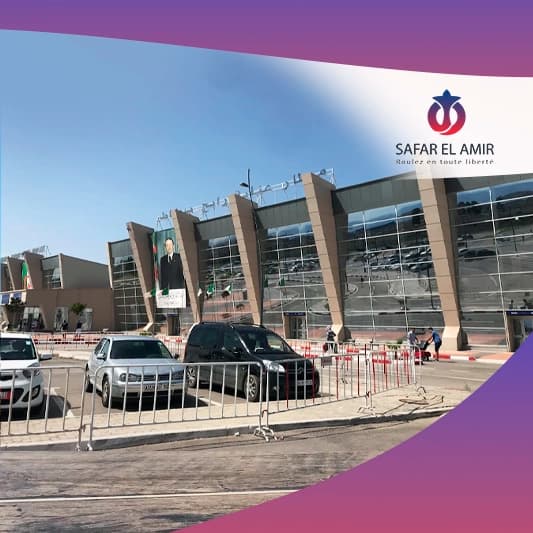
Annaba agency — car rental
Pick-up at Rabah Bitat airport or in town — the base for El Kala, Seraïdi and Cap de Garde.
View the agency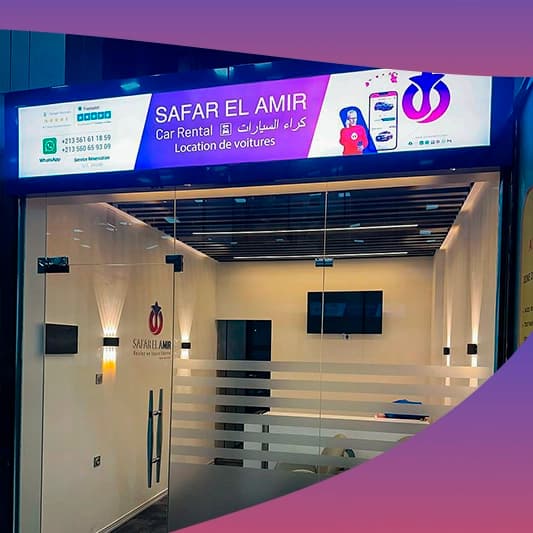
Constantine agency — car rental
The city of bridges, 2 hours away via the East–West highway.
View the agency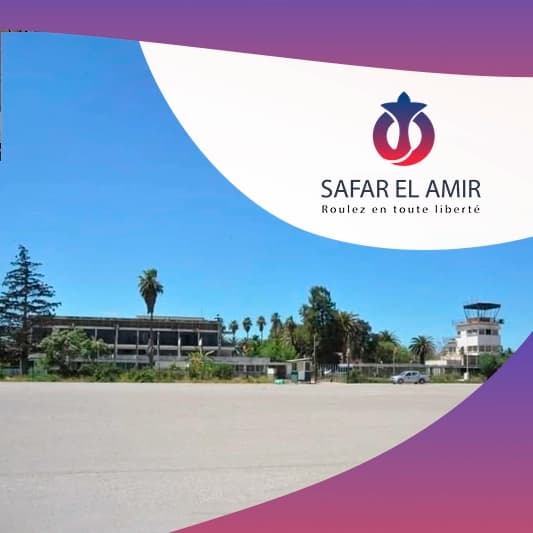
Skikda agency — car rental
The wild coast and the bay of Collo, to the west along the coastal road.
View the agency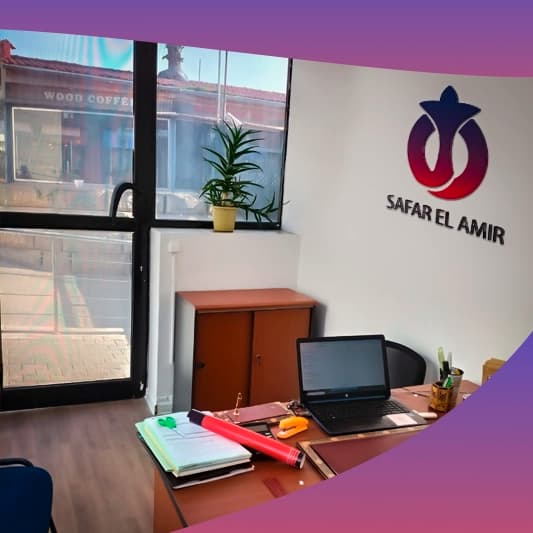
Algiers agency — car rental
The main agency, at Houari Boumediene airport and Les Bananiers.
View the agency
Plan your trip to Annaba with Safar El Amir
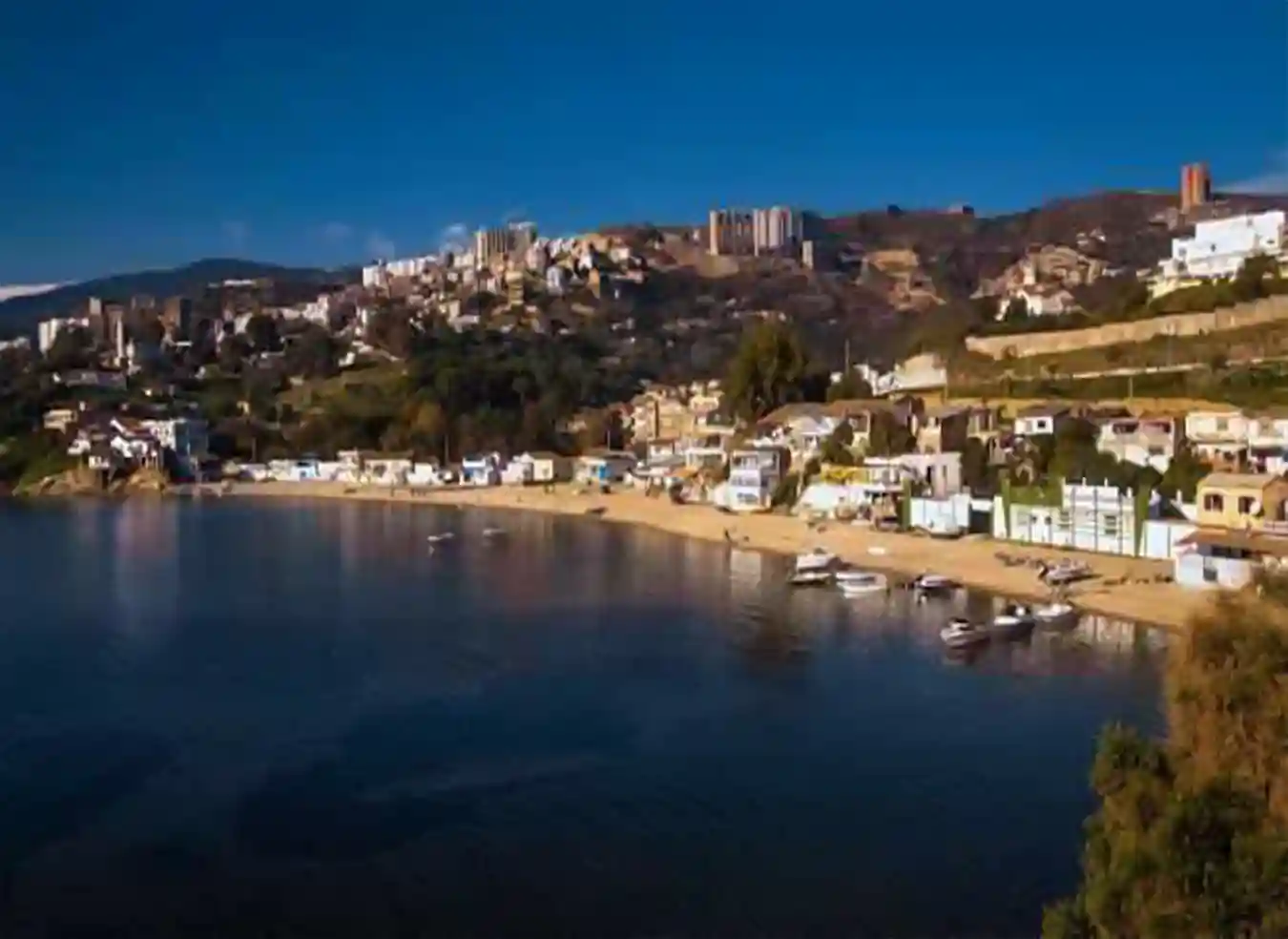
Annaba Beaches: The 8 Most Beautiful Beaches on the Coast
Annaba beaches: Saint-Cloud, Chapuis, La Caroube, Ain Achir, Djenane El Bey, Chetaibi and more. The 8 most beautiful beaches, with distances and tips.

Seraidi: The Edough's Mountain Village, Annaba's Balcony
Seraidi, 850 m above Annaba: a 4 km cable car, Edough forests, the Djenane El Bey cove and a Fernand Pouillon hotel. How to get there and travel tips.

Saint Augustine Basilica in Annaba: History, Architecture and Visit
Saint Augustine Basilica in Annaba: consecrated in 1900, 140 stained-glass windows, a relic of the saint and views over Hippo. History, architecture and tips.
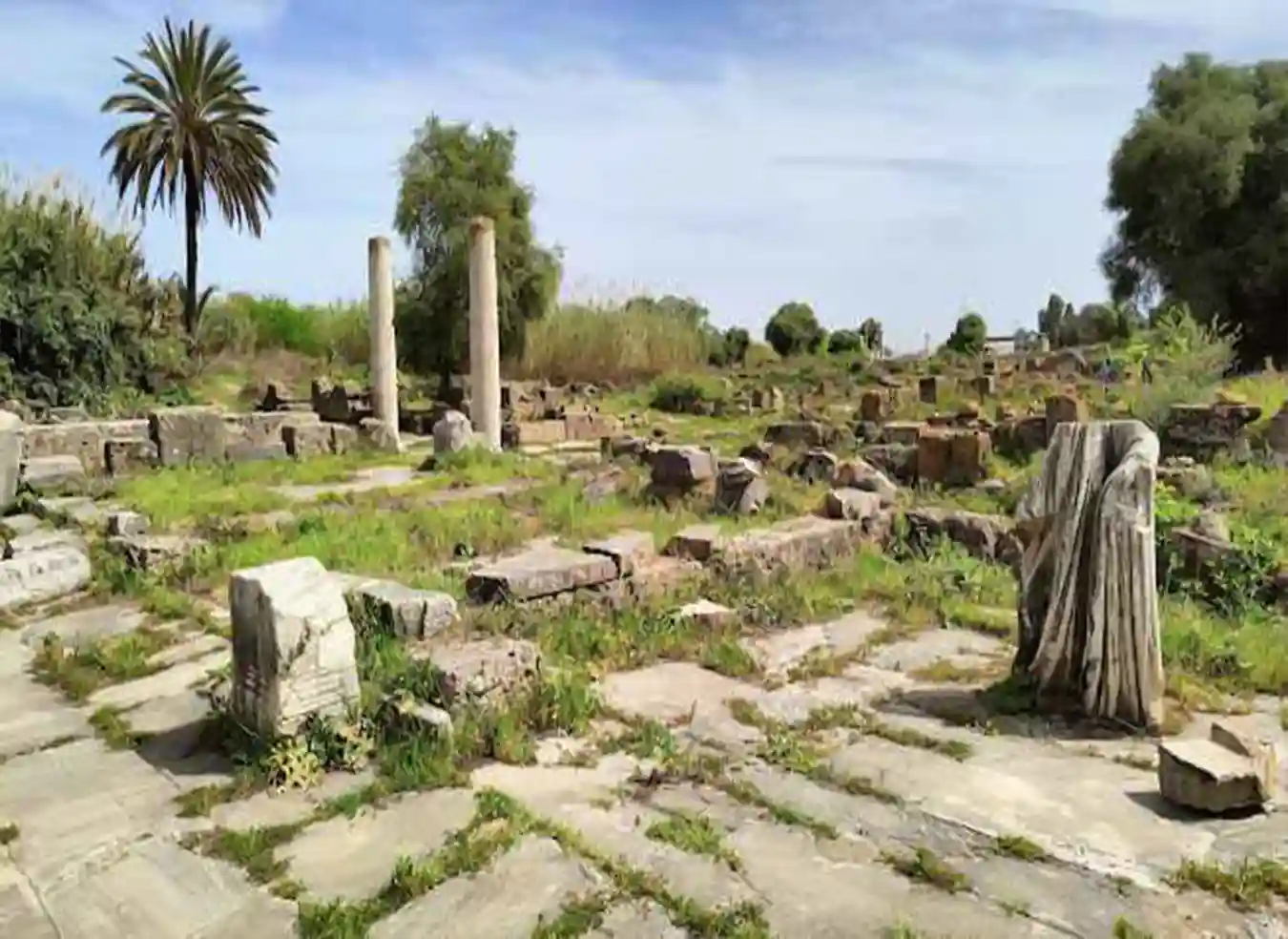
Hippo Regius: Visiting the Ancient Ruins of Annaba
Hippo ruins in Annaba: one of the largest Roman forums in North Africa, baths, theater, Christian quarter and museum. History and practical visitor tips.
Sidi Bou Merouane Mosque: Annaba's Oldest Mosque
Sidi Bou Merouane Mosque in Annaba: built in 1033 under the Zirids with ancient columns, in the heart of the old town. History, visiting tips and a walk.
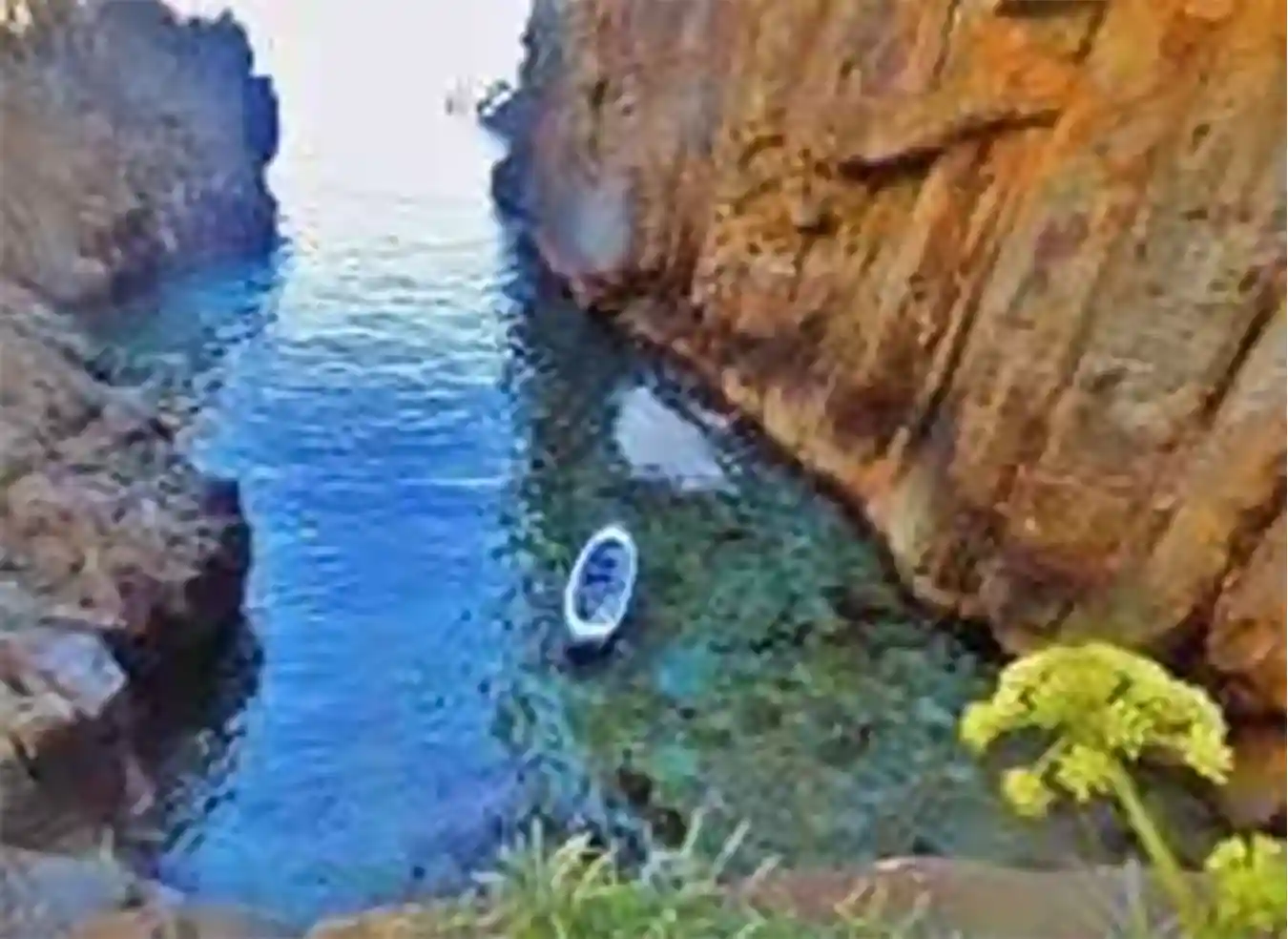
Cap de Garde: The Lighthouse and Cliffs Watching Over Annaba
Cap de Garde, 10 km from Annaba: the Ras el Hamra lighthouse shining 143 m above the sea, cliffs, bay views and Ain Achir beach. How to get there and tips.
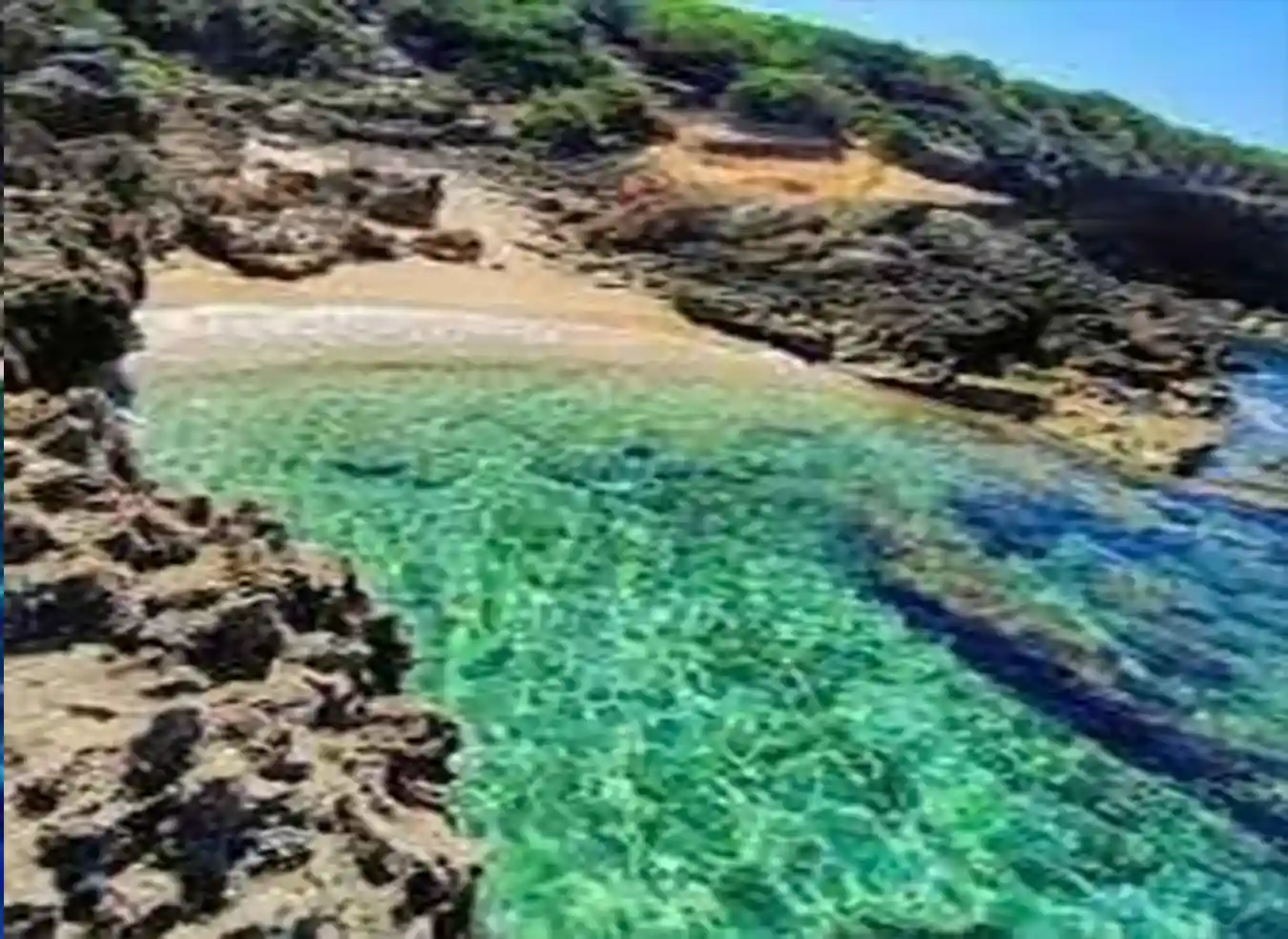
El Kala National Park: Lakes, Forests and Beaches East of Annaba
El Kala National Park, 1 h 15 from Annaba: 76,438 ha, lakes Tonga and Oubeira, Barbary stag and a UNESCO biosphere reserve. Access, seasons and tips.
Annaba – Rabah Bitat Airport: A Practical Traveler's Guide
Annaba – Rabah Bitat Airport (AAE): location, flights, getting to the city center, distances to the main sights, history and tips for your arrival.
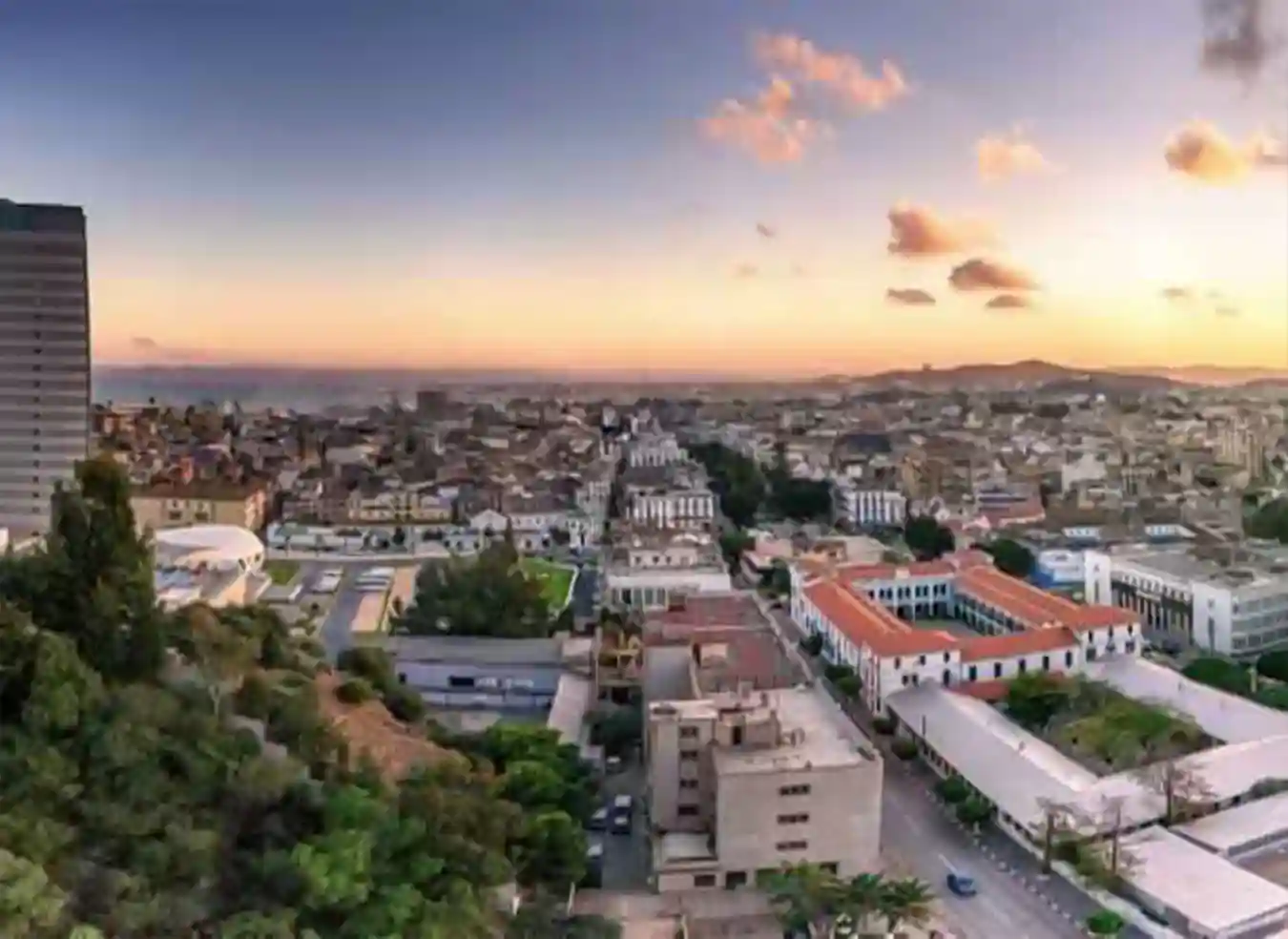
Constantine to Annaba by Car: Distance, Routes and Stops
Constantine to Annaba by car: about 155 km and 2 hours on the East–West Highway, or the Guelma and Hammam Debagh road. Routes, travel times and tips.
Algiers to Annaba by Car: Distance, Time and Stops
Algiers to Annaba by car: about 550 km and 6 h 20 on the East–West Highway via Setif and Constantine. Route, recommended stops, tips and alternatives.
Que vous soyez en quête de paysages à couper le souffle, de sites historiques fascinants, ou de l'authenticité de notre culture, ce guide est votre compagnon idéal pour un voyage mémorable. Louer une voiture chez nous, c'est bien plus qu'une simple location – c'est le début d'une aventure inoubliable à travers l'Algérie. Alors, attachez vos ceintures et laissez-vous guider par SAFAR EL AMIR !
SAFAR EL AMIR est une entreprise spécialisée dans la location de voitures, basée en Algérie. Nous proposons des services de location de voitures avec ou sans chauffeur, des réservations en ligne à travers tout le pays, des transferts entre aéroports et hôtels, ainsi que des solutions pour vos voyages d'affaires. Nous offrons également une assistance professionnelle pour le transport vers et depuis 11 aéroports.


Stay in contact!
Let's get in touch!
Do you have a question or need help?
Contact us by email, phone or via the form below.
We are eager to help you.
Subscribe and Win!
Sign up to receive a quarterly exclusive email about the best road trip trends: a detailed itinerary, a beautiful place in Algeria, and tips for an unforgettable adventure!
Reservation service
Head Office
Follow us