
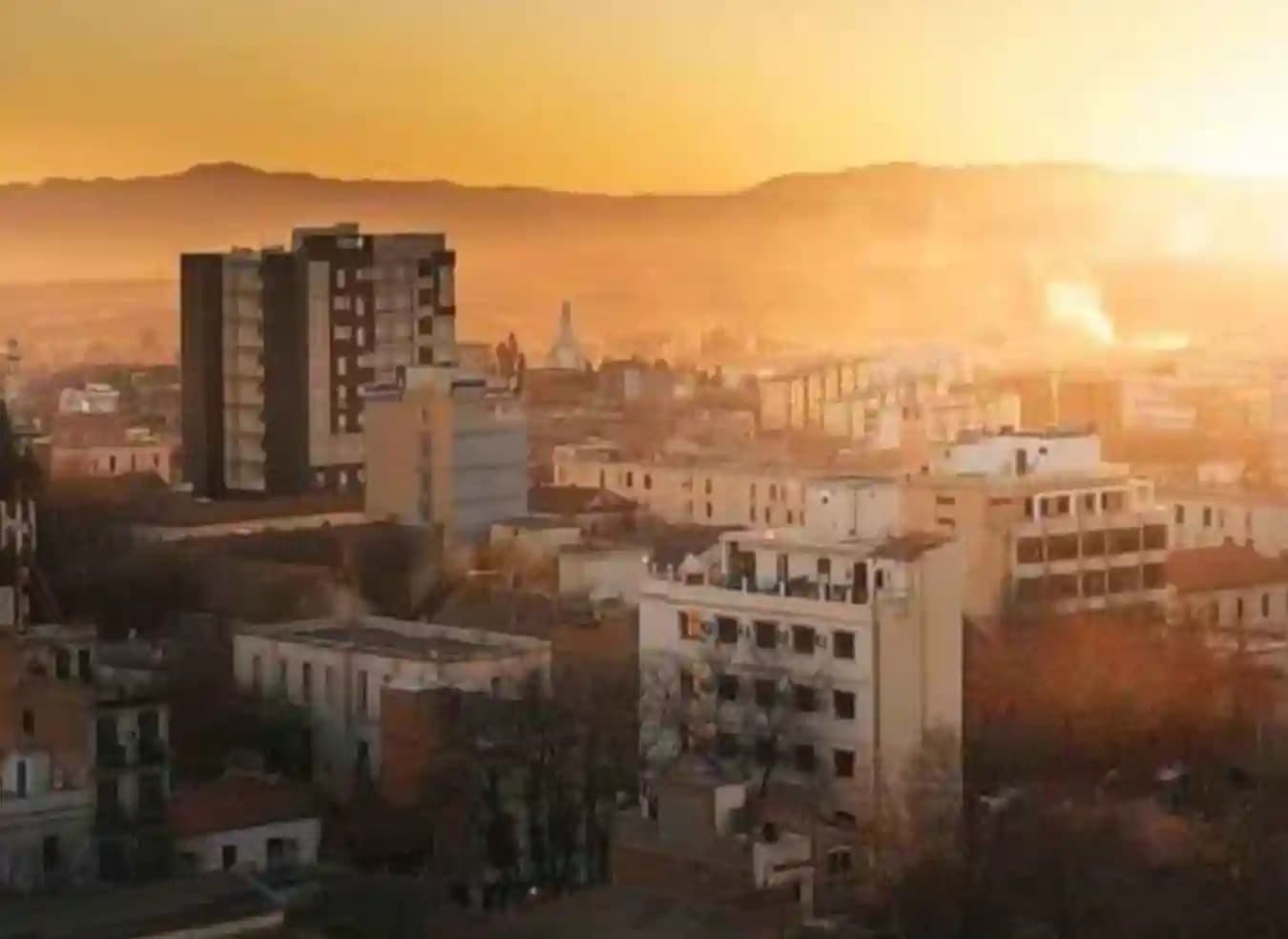
The historic heart of Setif
1. Drink from the Ain El Fouara fountain
You cannot visit Setif without stopping at Ain El Fouara. Its marble statue, by sculptor Francis de Saint-Vidal and installed in 1898, has become the symbol of the city, and it is said that drinking from it means you will return to Setif one day. Read its full story in our Ain El Fouara article.
2. Discover the old El Atik mosque
A short walk from the fountain, the old mosque, el Masdjid el Atik, is one of the city's emblematic monuments. Visit outside prayer times, in modest dress.
3. Visit the Setif national museum
Opened in 1985 and promoted to national museum in 1992, it traces the region's history from prehistory to the Islamic period, with remarkable mosaics such as those of Venus and Bacchus. Plan your visit with our Setif national museum guide.
4. See the Byzantine citadel remains
In the 6th century, the Byzantines made Sitifis a provincial capital and General Solomon built a fortress there around 539. Its western and southern walls are still visible in the city center, near the museum. Nearby, the Emir Abdelkader garden keeps ancient stelae: it was home to Setif's first lapidary museum, in 1896.
5. Have fun at the amusement park
Right in the city center, the Setif amusement park brings together rides, a big Ferris wheel, lakes and green spaces. It is the family outing par excellence: details and tips in our Setif amusement park article.
Great day trips around Setif
6. Explore the Roman ruins of Djemila
57 km to the northeast, ancient Cuicul is one of the best-preserved Roman cities in North Africa, a UNESCO World Heritage Site since 1982. Arch of Caracalla, Septimian temple, theater and Christian quarter: everything is covered in our Djemila visitor guide.
7. Relax at Hammam Guergour
About fifty kilometers northwest, where the Bousellam gorges open out, Hammam Guergour is famous for its 44 °C spring, among the most radioactive in the world. A spa stop in a fine mountain setting.
8. Hike on Mount Babor
In the north of the province, Mount Babor rises to 2,004 meters. Its forests of cedar and Numidian fir, a species found nowhere else, are home to the Kabyle nuthatch, a bird discovered in 1975. The perfect place for a day in nature.
9. Drive through the Kherrata gorges
On the road to Bejaia, the RN9 plunges into the Kherrata gorges, between dizzying cliffs and tunnels. A spectacular drive, described step by step in our Setif to Bejaia by car guide.
Live Setif like a local
10. Taste Setif cuisine
Berboucha, a couscous with lamb, turnips and cardoons, is Setif's signature dish. Also try mferemsa, large sheets of pastry covered in a sweet-and-savory sauce with apricots, raisins and date paste, chorba frik served with bourek, or ghraif, traditional pancakes. For sweets: makrout, gazelle horns and griouech.
11. Cheer for Entente de Setif
Founded in 1958, Entente Sportive de Setif is one of Algeria's most decorated clubs and a two-time African champion. Watching a match at the 8 May 1945 stadium is an experience of its own, so intense is the fans' passion.
12. Visit the 8 May 1945 memorial sites
Setif is also a city of memory: it was here that, on 8 May 1945, the demonstrations began that were followed by the Setif, Guelma and Kherrata massacres, a prelude to the war of independence. Several memorial sites, including the monument to young Saal Bouzid, recall these events.
Practical tips to plan your stay
- When to go? Spring and autumn. At 1,100 meters, Setif has cold, sometimes snowy winters and hot, dry summers.
- How to get there? Fly into Setif – Ain Arnat Airport, or drive on the highway from Algiers (about 3 h 15).
- How to get around? The center is walkable, but Djemila, Hammam Guergour, Babor and Kherrata are spread out: renting a car at Setif Airport is the most flexible option.
- How long? One day for the city, two or three to add Djemila and the mountains.
For the city's full history, read our complete guide to visiting Setif.
Frequently Asked Questions
What can you do in Setif in one day?
In the morning, see Ain El Fouara, the El Atik mosque, the Byzantine citadel and the national museum. In the afternoon, head to the Djemila ruins, less than an hour away, or relax at the amusement park.
What are the must-see places in Setif?
The Ain El Fouara fountain, the national museum, the Byzantine citadel remains, the amusement park and, nearby, the UNESCO-listed Roman ruins of Djemila.
When is the best time to visit Setif?
Spring and autumn have pleasant temperatures. Winter is cold at 1,100 meters, sometimes with snow, and summer is hot and dry.
What is Setif's signature dish?
Berboucha, a couscous with lamb, turnips and cardoons, is the city's typical dish. Mferemsa and chorba frik are also must-tries.
What is there to see around Setif?
The Djemila ruins (57 km), the Hammam Guergour hot spring (50 km), Mount Babor (about 50 km) and the Kherrata gorges on the road to Bejaia.